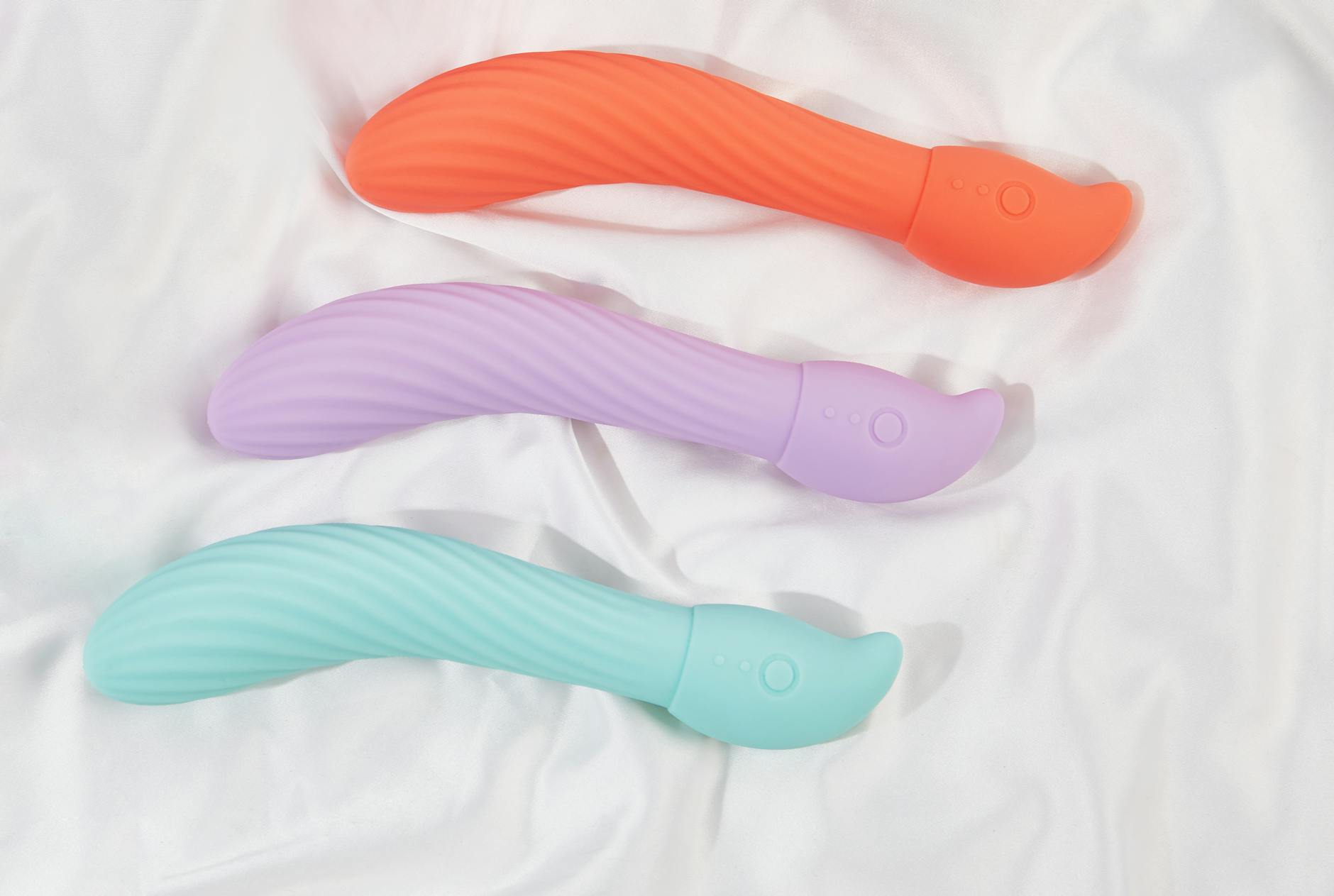
Why Lemon Vibrators Work Better When You Have Numbness After Cancer Treatment
Let's be real. Cancer treatment is violent to your body by design. Chemotherapy and radiation both work by destroying rapidly dividing cells, and that means they don't stop at cancer. They sweep through nerve endings, blood vessels, and tissue. When you finish treatment, you're told you're done, you're cured, and then you realize your body doesn't feel like your body anymore.
One of the most invisible side effects is neuropathy and sensory loss in the genitals. Your clitoris and vulva might feel numb, distant, or like someone else's. Direct stimulation often feels like nothing at all. And when direct touch doesn't work, the standard vibrator doesn't either. That's where lemon vibrators and clitoral suction technology change the conversation.
How cancer treatment damages sensation
Chemotherapy causes peripheral neuropathy by poisoning nerve cells. Radiation damages the blood vessels that feed nerve tissue, so sensation doesn't return as quickly. The clitoris has dense nerve endings, and when those nerves are injured, arousal becomes almost impossible. You can want it, your brain can be ready, and your body just sits there. Disconnected.
That numbness is not permanent for everyone, but it's often slow to recover. And waiting passively, hoping sensation returns on its own, can feel like losing pleasure twice.
Here's the thing about neuropathy: it doesn't affect all nerves equally. Deep pressure receptors sometimes work when light touch has disappeared. And that's where suction technology opens a door that traditional vibrators can't.
Why suction works differently on numb tissue
Traditional vibrators rely on rapid movement and friction. The Lem and other clitoral suction tools work through a different mechanism: they create a gentle seal around the clitoris and pulse. That pulse activates different nerve fibers than vibration alone.
Think of it like this. Vibration is like someone tapping your shoulder. Suction is like someone gently pulling. After chemotherapy, the tapping might register as nothing, but the pulling can reach deeper nerve layers that haven't fully died.
The tissue around your clitoris is still alive and sensing. What's damaged is often the most superficial nerve endings. Suction bypasses that top layer and stimulates the deeper tissue. It's gentler overall but paradoxically more effective on numb skin because it's not relying on surface sensation.
Most people who've experienced this describe it as the first thing that actually registers after treatment. Not a flood of sensation, but a presence. A signal that your body is still wired for pleasure.
The slow rebuilding phase
Sensory recovery isn't linear. Some days your clitoris feels numb again. Other days you feel almost like yourself. That's normal and maddening in equal measure.
The reason to use a lemon vibrator during this phase isn't to chase an orgasm. It's to keep those nerve pathways active. Every time you use it, you're sending signals down pathways that haven't been used in months. Your nervous system is plastic. It can relearn sensation, but only if you're patient with it.
Start at the lowest setting. The Lem's gentlest patterns are often the right starting point for post-treatment bodies. You're not trying to reach orgasm quickly. You're trying to wake up sensation. That might take 20 minutes. That might take weeks.
The emotional piece no one mentions
Your body was invaded by doctors with intention to save your life. That's a fact. Your body also survived something brutal. That's also a fact. And somewhere in between, pleasure became complicated. Maybe you feel disconnected from your body. Maybe you're grieving what used to feel good. Maybe you're angry that this is what recovery looks like.
That's worth saying out loud before you start using any device. Not because there's a perfect emotional readiness, but because impatience will only frustrate you. Sensation recovery is slow and nonlinear. Some people get full feeling back in months. Others take years. And some experience permanent changes to how sensation works.
If you have a partner, this is a conversation worth having separately from the practical one. "I want to rebuild pleasure with you" and "My body is numb right now and that's scary" are different conversations. Mixing them up makes both harder.
Practical tips for rebuilding pleasure
Start with water-based lubricant even if you think you won't need it. Tissue that's been through radiation treatment is often drier than it used to be, and dryness makes numbness feel worse. Lubricant isn't a sign of failure. It's a tool for recovery.
Use the device alone first. Not because partnered pleasure is wrong, but because you need to feel what sensation is actually available before you add someone else's attention into the mix. Solo exploration gives you data about your own body.
Budget time differently than you used to. An orgasm used to maybe take 15 minutes. Now it might take 45. Or it might not come at all, and that's okay. The point is sensation, not a specific outcome.
If pain shows up, stop. Radiation can cause scar tissue and tissue changes that sometimes make direct stimulation painful even as sensation returns. That's not a sign to push harder. It's a sign to shift approach or talk to your oncologist or a pelvic floor specialist.
When to get professional support
If sensation isn't returning after six months of regular use, talk to your oncologist about whether additional interventions might help. There are topical treatments and other approaches that can accelerate recovery for some people.
A pelvic floor physical therapist who works with cancer survivors can also be invaluable. They can assess what's actually happening with your tissue and help you distinguish between neuropathy, scar tissue, and psychological guardedness. Those need different approaches.
Your pleasure matters even as you're recovering. Not because you owe anyone an orgasm, but because rebuilding sensation is part of rebuilding yourself.
People also ask
Will sensation come back after chemotherapy?
For most people, yes, but slowly. Peripheral neuropathy typically begins to improve months after treatment ends, and many people report significant recovery within one to two years. That said, some people experience permanent changes. The key is patience and consistent gentle stimulation. A lemon clitoral vibrator can speed the process because it activates different nerve pathways than touch alone.
How long should I wait after cancer treatment to use any kind of vibrator?
Talk to your oncology team first, but generally, once you're cleared for sexual activity (usually a few weeks after active treatment ends), gentle clitoral suction is safe. Start with the lowest setting and the shortest duration. You're not rushing toward pleasure. You're awakening sensation.
Do I need lubricant with a lemon vibrator if I have numbness?
Yes. Radiation and chemotherapy often cause vaginal dryness, and dry tissue makes numbness feel more pronounced. Water-based lubricant isn't optional. It's part of the recovery toolkit. Reapply it as needed, and don't assume dryness means you're not aroused. Your body's lubrication response might be temporarily changed too.
Can lemon vibrators help if I have scar tissue from cancer surgery?
This depends on where the scar tissue is and how tender it is. Gentle suction is often less irritating than direct vibration to sensitive scar areas, but if any touch causes pain, stop and consult a pelvic floor therapist. They can determine whether scar tissue work is needed or whether sensation recovery should come first.
Is it normal to feel like crying while rebuilding sensation after treatment?
Completely normal. You're reconnecting with a part of yourself that was under attack. That's emotionally loaded work, even when it's positive. If the emotional piece is overwhelming, a therapist who works with cancer survivors can help you process grief, anger, and fear alongside physical recovery.
How do I know if I'm making progress with sensation recovery?
Progress looks like small changes. Maybe the vibrator registers something this week that it didn't last week. Maybe you can go longer without numbness feeling distant. Maybe you feel something after your device is turned off, which is often the first real sign of awakening sensation. Trust small shifts. Your nervous system is rewiring itself, and that's slow work.
Your body survived cancer treatment. It deserves patience and kindness as it rebuilds. Sensation recovery is part of reclaiming your pleasure and your wholeness. That's not a luxury. It's part of healing.