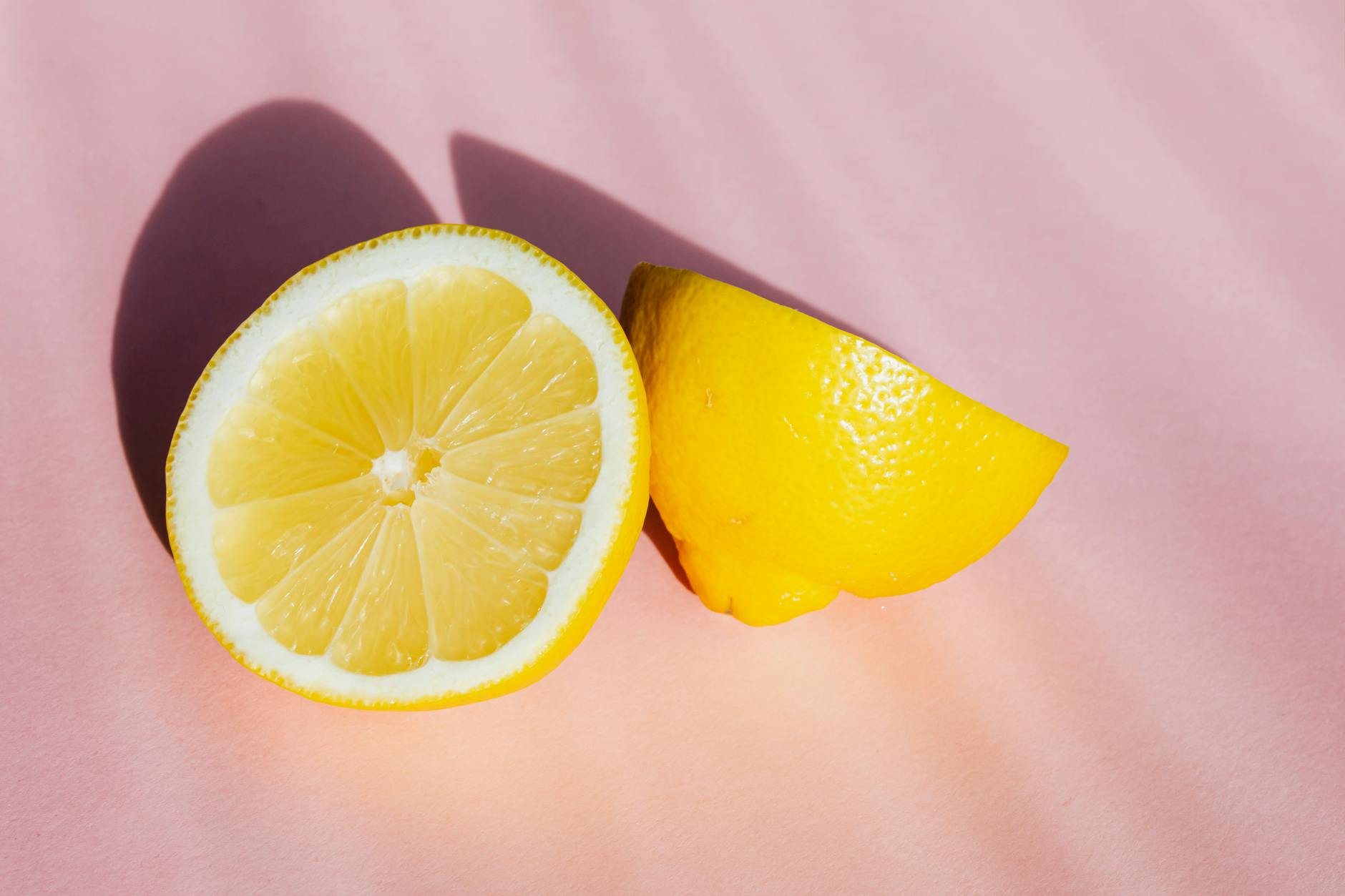
Why Lemon Vibrators Work Better for Vaginal Dryness During Perimenopause
Let's be real. Perimenopause and vaginal dryness show up together like an unwanted pair at a party, and most of what you hear about managing them makes sex sound like a chore instead of something you actually want.
Here's the honest part: dryness is real, it changes how things feel, and it's not something willpower or relaxation can fix. But it's also not something that has to stop pleasure. The design of the tool you choose makes an enormous difference.
What's actually happening with perimenopause and lubrication
Estrogen is dropping. This isn't a cliff fall all at once, it's a slow slide downward that can take years. As it drops, the vaginal tissue becomes thinner and produces less natural lubrication. Your body isn't broken. It's just producing less of one specific thing.
The thing most people don't understand: vaginal dryness and clitoral sensation are almost completely separate systems. The clitoris has its own nerve pathways, its own blood supply, its own way of responding. When you're looking for pleasure during this transition, you can absolutely work with what you have.
That's where lemon vibrators and clitoral suction toys make a real difference.
Why friction-based vibrators feel harder when lubrication drops
A traditional vibrator works by creating repeated friction against the clitoris. When there's natural lubrication, the glide is smooth. When there isn't, friction becomes uncomfortable. It can feel sharp, almost irritating, especially on the sensitive external clitoral tissue.
Add water-based lubricant and things improve, sure. But you're fighting physics. Every time you pause, the lube starts to dry. Every movement dries it a little faster. You end up reapplying constantly, which breaks the momentum and turns sex into a maintenance task instead of a pleasure task.
Lemon vibrators work differently because they use suction rather than friction. They create a gentle pulling sensation that stimulates the clitoris without relying on sliding movement. This is a completely different mechanism of action.
How suction-based design changes the experience
Instead of friction, a lemon clitoral vibrator creates gentle rhythmic suction that engages the nerve endings around the clitoris. The suction pulls tissue into the cup in a way that feels full and concentrated without requiring the same amount of glide or lubricant.
For perimenopause bodies dealing with dryness, this is a game-changer. You need less lubrication. The sensation doesn't depend on smooth sliding. The stimulation feels different—deeper, more localized, less surface-level irritation.
Many of my clients report that when they switched to a lemon-style clitoral vibrator during this transition, they stopped needing to reapply lubricant multiple times during a session. They also reported that arousal happened faster, with less effort. The design works with perimenopause physiology instead of against it.
The lubrication question—when you still need it
Here's an important clarification: using a lemon vibrator doesn't mean you skip lubricant entirely. It means you can use less, and the sex doesn't fail if things dry out a bit midway through.
Water-based lube is your friend. It's compatible with silicone toys (which is what quality lemon vibrators are made from), it feels natural, and it washes away easily. You might use about a quarter of what you'd use with a friction-based toy.
Silicone-based lubricants feel thicker and longer-lasting, which appeals to many people, but they can degrade silicone toys over time. Stick with water-based if your clitoral vibrator is silicone.
One more thing: you're not broken if you need lubricant. Everyone benefits from it, perimenopause or not. The difference is that suction-based toys are more forgiving when lubrication isn't perfect.
How arousal pattern changes shift what helps
During perimenopause, arousal often takes longer to build. Blood flow to the genitals might be slower. The body needs more time to warm up before direct clitoral stimulation feels good instead of just okay.
This is where a lemon vibrator with multiple intensity settings becomes valuable. Start on a low setting and let sensation build. You're not trying to force arousal. You're giving your body the gentle, sustained stimulation that invites arousal to happen naturally.
The suction sensation—unlike friction—tends to feel good even when you're not fully aroused yet. That means you can start the conversation with pleasure earlier in the process, which often helps arousal actually develop faster than waiting for your body to reach some mythical readiness state first.
Positioning and comfort during dryness
When lubrication is low, positioning matters more than it used to. You'll want to be comfortable and relaxed because physical tension only makes dryness feel worse. The good news is that lemon vibrators are handheld and compact, so you can use them in any position that feels good.
Many people find that lying back with legs slightly apart or bent works well. Some prefer sitting up. Some like lying on their side. There's no wrong answer. The point is that you get to choose based on what feels good, not based on fighting the tool's design.
When dryness becomes painful (and what to do about it)
If you're experiencing pain during sexual activity, not just dryness but actual discomfort or stinging sensation, that's worth mentioning to your doctor. Genitourinary syndrome of menopause (GSM) is common, and there are good medical options like topical estrogen creams that can help restore tissue health.
These creams work well alongside using toys like lemon vibrators. You're addressing the underlying tissue health with the cream and providing pleasure and stimulation with the toy. They work together.
The mental shift that matters as much as the physical one
Here's something nobody tells you: perimenopause dryness is as much a headspace thing as a physical thing. If you approach it thinking sex is now going to be harder or less pleasurable, your brain gets in the way. Arousal involves your mind as much as your body.
When you find a tool that actually works with your body instead of against it, the mental burden lifts. You stop bracing for discomfort. You stop calculating whether it's worth the friction. You just focus on pleasure, and your nervous system gets the signal that sex is still a positive experience.
That shift changes everything.
Why design matters more than you probably thought
The temptation when things change is to assume you just need more of whatever you used before. More lubricant. More pressure. More time. But sometimes what you actually need is a different tool altogether.
Lemon vibrators and other clitoral suction toys exist because someone realized that not all stimulation works the same way on every body at every phase of life. During perimenopause, when friction-based vibrators might feel frustrating, suction-based options suddenly make sense.
You're not losing pleasure. You're not broken. You're just transitioning into a phase where different tools work better. That's not a loss. It's actually useful information.
FAQ: Common questions about lemon vibrators and perimenopause
Can I use a regular vibrator if I add more lubricant?
Yes, technically. But you're working harder than you need to. Friction-based vibrators dry out faster and require more maintenance during use. If you're dealing with perimenopause dryness, a lemon-style clitoral vibrator is designed for lower-lubrication scenarios. You can try both and see what actually feels better rather than just assuming more lube solves the problem.
Do lemon vibrators hurt if you're already sore down there?
If you're experiencing pain or tissue irritation, even gentle suction can feel uncomfortable until the underlying tissue is healthier. Start with low intensity, use plenty of lubricant, and consider seeing a menopause-informed doctor about topical estrogen to restore tissue thickness first. Then once things feel better, the lemon clitoral vibrator becomes much more comfortable.
How is suction different from vibration?
Vibration creates rapid back-and-forth movement. Suction creates a pulling sensation that draws tissue into the cup. Vibration relies on friction and glide. Suction doesn't. For perimenopause bodies with lower lubrication, suction feels less raw and irritating while still being incredibly stimulating. Many people find it more intense in a good way.
Will a lemon vibrator feel weird if I've never used one before?
Probably a little bit at first. It's a different sensation than you're used to. Start on the lowest setting, use lubricant, and give yourself a few tries to adjust. Most people report that once they get used to the sensation, they prefer it, especially if traditional vibrators have felt uncomfortable or like too much friction.
Do I need a special lubricant for lemon vibrators?
Water-based lubricant works great and is compatible with silicone toys. Avoid silicone-based lubes with silicone vibrators because they can degrade the material over time. Beyond that, any water-based lube you find comfortable will work. Some people like thicker formulas, some prefer lighter ones. Experiment and find what feels best for you.
What if I'm using hormone therapy for perimenopause—does that change things?
Hormone therapy can help restore some natural lubrication, which is useful. But it doesn't happen overnight, and not everyone uses or can use HT. Whether you're on HT or not, lemon vibrators remain a smart choice for perimenopause because they work with your body's actual lubrication level right now, not some theoretical future state.
The bigger picture: your pleasure matters at every age
Perimenopause gets a reputation as the phase when things get harder. Dryness is real. Arousal takes longer. Your body changes. All true.
But here's what doesn't change: your right to pleasure, your capacity for orgasm, and your ability to feel good in your body. What changes is the tool that helps you get there.
If you've been using friction-based vibrators for years and perimenopause is making them uncomfortable, that's not a sign you should give up. It's a sign that a different design—like a lemon clitoral vibrator—might be the better fit for this chapter. Once you find what works with your body instead of against it, everything gets easier.
Your pleasure matters. Your comfort matters. And you deserve a tool that actually works for your body right now, not some theoretical version of your body from ten years ago.