The copper IUD changes more than you think
You switched to a copper IUD for solid reasons. No hormones. Long-term protection. Fewer side effects than hormonal contraception. Then you noticed something unexpected: your body feels different during sex, and specifically, clitoral pleasure doesn't quite land the way it used to.
That's not in your head. It's real, it's physical, and it's worth understanding.
What the copper IUD actually does to your pelvic floor
A copper IUD sits in your uterus. It doesn't directly touch your clitoris. But here's the thing about your pelvic floor: it's one integrated system. The uterus, the vaginal canal, the pelvic floor muscles, and the clitoral nerve network all share the same blood supply and neural pathways.
When you insert a copper IUD, your body registers a foreign object and mounts a mild inflammatory response. This is intentional. The copper itself triggers that response, which is how the IUD prevents pregnancy. But inflammation in the uterus and surrounding tissue means increased blood flow, increased sensory awareness, and sometimes increased baseline tension in the pelvic floor.
For the first few weeks after insertion, many people experience cramping and heaviness. That sensation often fades. What doesn't always fade is a subtle shift in how the pelvic floor muscles engage during arousal. Some people feel more sensation. Others feel less. Many feel the same intensity but in a slightly different location or with a different texture.
Why lemon vibrators feel different specifically
A copper IUD doesn't change your clitoris. It doesn't shrink nerve endings or alter tissue thickness. What it does change is your baseline pelvic tension and the way your nervous system interprets sensation from that region.
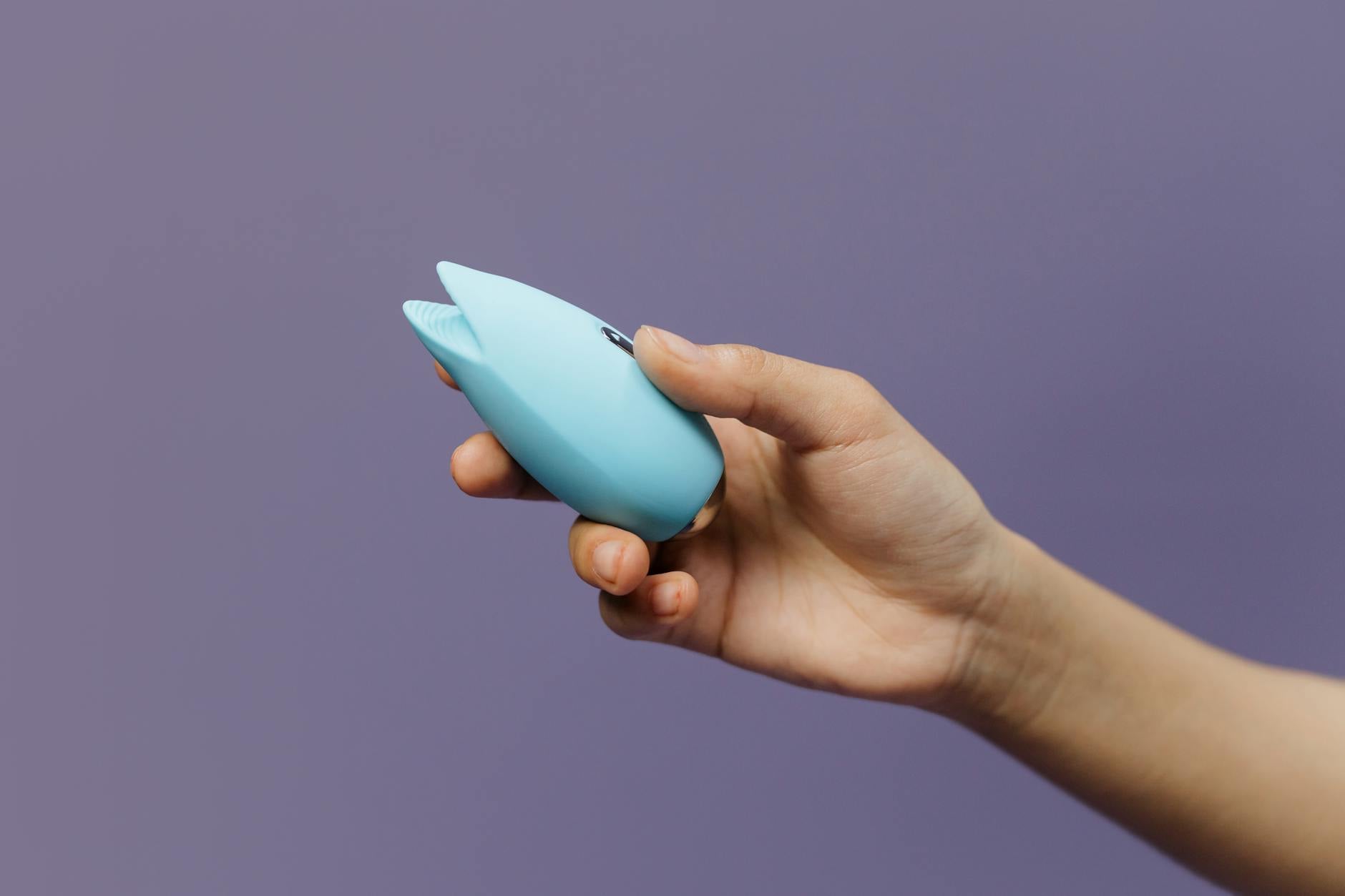
Lemon clitoral vibrators like the Lem work through suction and gentle pulsing. They're not about deep, broad stimulation. They target a specific area with precision. That precision is exactly why you notice the change. With a broader vibrator, the shift in baseline sensation might feel subtle. With a lemon sucker's focused pressure, you feel it acutely.
Some people find that their most sensitive areas shift slightly after IUD insertion. What felt amazing on the front third of the clitoris might now feel more intense on the side. Others notice that they need a longer warm-up time before the sensation peaks. A few people experience temporarily reduced sensitivity in the first month or two, which gradually normalizes.
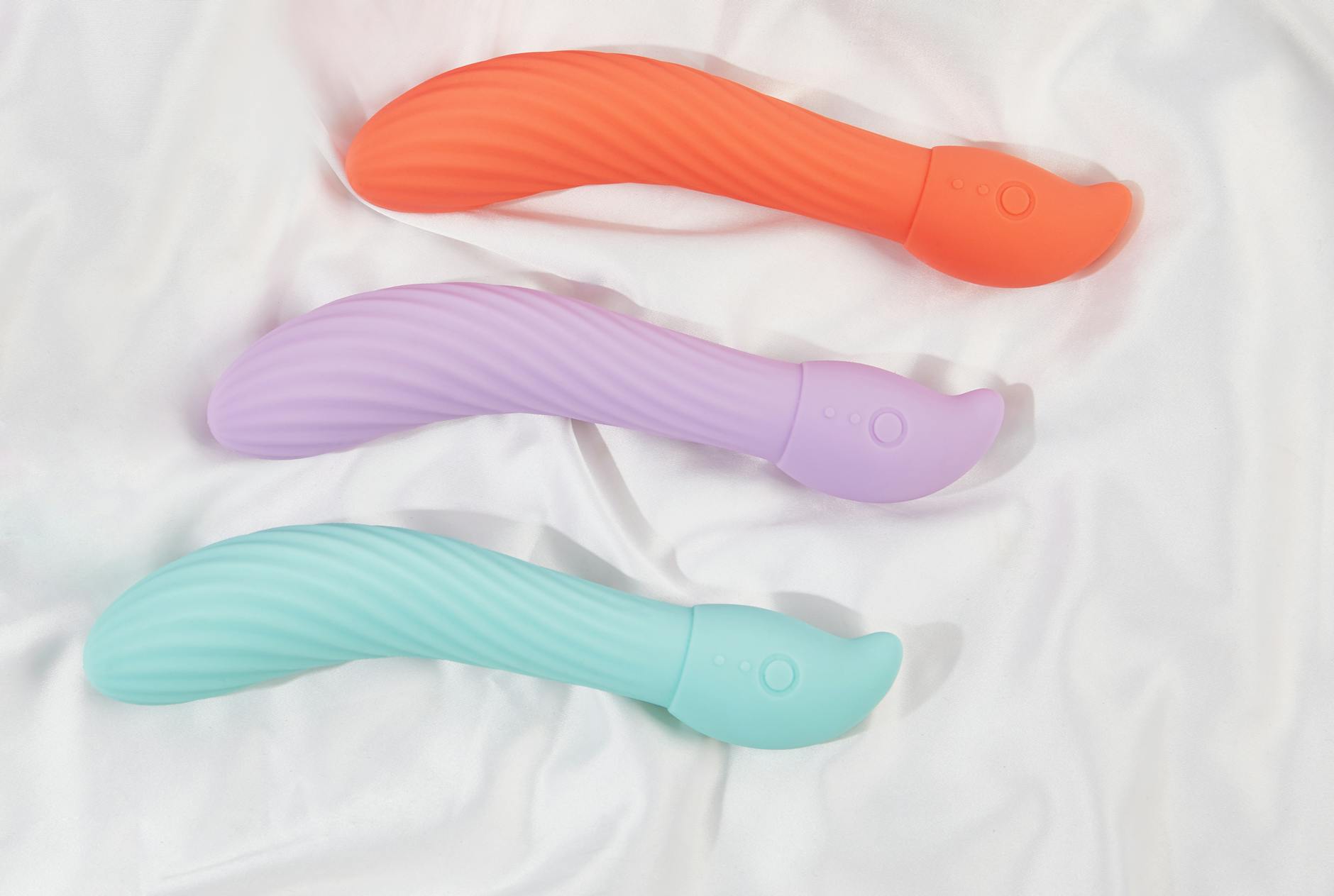
Photo by IFONNX Toys on Pexels
The hormonal context you might be missing
If you switched to a copper IUD from hormonal birth control, there's an additional layer happening. Hormonal contraceptives suppress ovulation and flatten out your natural hormone cycle. When you stop them, your testosterone and estrogen levels start cycling again. This can take 2-3 months to fully normalize.
During that rebalancing period, clitoral sensitivity often fluctuates. You might have a day where stimulation feels dull, then two days later where everything feels heightened. That's not the IUD alone. That's your hormones recalibrating while your pelvic floor adjusts to the presence of the IUD.
If you've only recently made the switch, give yourself at least three months before concluding that your pleasure response has permanently changed. Most people stabilize after that window.
The pelvic floor tension piece
Here's what I see clinically: copper IUD insertion sometimes triggers what I call "protective bracing" in the pelvic floor. Your body feels the IUD, interprets it as a potential threat even though it's not, and responds by holding tension in the muscles that support the uterus and vaginal canal.
This bracing is usually unconscious. You don't feel like you're doing it. But it changes how freely the pelvic floor can relax and engage during pleasure, which directly affects clitoral sensation.
If you notice that sensation feels muted or hard to build, the issue might not be your clitoris. It might be that your pelvic floor is in a state of low-level chronic tension. This is easily fixable.
Practical adjustments that actually work
Start with longer warm-up time. Your body needs more time to move from baseline tension into relaxation and arousal. Budget 15-20 minutes of non-genital touch before you even approach the Lem. Skin-to-skin contact, breathing, whatever helps you unwind.
Begin at lower intensity settings. If you usually start at pattern 3 or 4, drop to 1 or 2 for the first month after IUD insertion. You can always build up. Starting too high can override your ability to feel nuance, which defeats the purpose of a precision toy like a lemon vibrator.
Try pelvic floor release work. Deep breathing, pelvic floor stretches, and gentle self-massage of the inner thighs and lower abdomen can release that protective bracing. Even five minutes a day makes a difference.
Test angle and positioning. That slight shift in baseline tension might mean the angle that used to work perfectly now feels slightly off. Experiment. Try the Lem at different positions and pressures. What you discover might feel even better than your previous go-to.
Check in with water-based lube. A copper IUD sometimes makes you feel less naturally lubricated in the early weeks, even though actual lubrication hasn't changed much. A good water-based lube can reduce friction and help you focus on sensation instead of physical discomfort.
When to suspect something beyond the IUD adjustment
If it's been more than three months and sensation feels completely deadened, or if you're experiencing pain rather than just sensation shift, check in with your gynecologist. A small percentage of people have adverse reactions to copper IUDs that manifest as nerve pain or pelvic floor dysfunction severe enough to require intervention.
You're also not alone if the copper IUD just doesn't work for your body long-term. Some people do great on it. Others find that the inflammation, the cramping, or the shift in sensation is a dealbreaker. That's legitimate information, and it's okay to try something else.
The mental piece matters too
Let's be real: discovering that your body feels different after a medical change can sting. You might have chosen the copper IUD specifically because you wanted to feel more like your "natural" self after coming off hormones. Having that not quite land the way you expected is disappointing.
That disappointment is separate from the physical sensation, but it can interfere with pleasure just as much. If you're tensing up because you're frustrated that things feel different, you're adding another layer of pelvic floor tension on top of the adjustment itself. That compounds the issue.
Give yourself permission to feel neutral about the change while your body adjusts. Neutrality is not the same as resignation. It just means you're not adding emotional intensity to a physical transition that needs time and attention.
The likely timeline
Most people experience the most noticeable sensation shift in the first 2-4 weeks after IUD insertion. By week 6-8, the adjustment is usually well underway. By three months, baseline sensation is typically stable. Some people find that around month three or four, they actually prefer how things feel post-IUD. The shift settles into something you barely notice, and sometimes into something genuinely better.
This isn't guaranteed. Everyone's nervous system and pelvic floor respond differently. But if you're in week two and panicking that you've lost sensitivity forever, you probably haven't. Your body is still learning.
FAQ
Does a copper IUD permanently change clitoral sensitivity?
No. Any sensitivity shift is temporary while your pelvic floor and nervous system adjust. Most people return to baseline sensation within 3-4 months. Some experience improved sensation once the adjustment is complete.
Can I use a lemon vibrator immediately after IUD insertion?
Yes, but wait at least one week. Your cervix needs time to close after insertion, and any internal stimulation should be gentle initially. After a week, external clitoral stimulation with the Lem is safe. Start conservatively with lower intensity settings.
Why does my copper IUD affect my clitoris if it's in my uterus?
Your pelvic floor is an interconnected system. The IUD triggers inflammation and baseline tension changes in the pelvic region, which alters how your nervous system processes clitoral sensation. It's not direct contact, it's systemic.
Should I switch back to hormonal birth control if pleasure feels different?
That's a personal decision based on how significant the change is and whether it's improving with time. Many people find that the sensation shift is temporary and worth the benefits of a hormone-free option. Others prefer the consistency of hormonal birth control. Neither choice is wrong.
Will pelvic floor physical therapy help?
Absolutely. A pelvic floor PT can assess whether you're holding tension related to the IUD and teach you release techniques. Even 4-6 sessions can shift things significantly.
How long until I should expect sensation to stabilize?
Three to four months is the general window. Some people stabilize faster. If you're still experiencing significant shifts beyond four months, talk to your gynecologist about ruling out any complications.
The bigger picture
Your body responds to change. A copper IUD is a change. The shift in how lemon vibrators feel is your nervous system and pelvic floor doing exactly what they're supposed to do: adapting. That's not a malfunction. It's biology in progress.
If you're curious about how your body is recalibrating, now is actually the time to pay attention. Learn what works differently. Discover whether you prefer the adjustment or whether you want to try something else. This transition is giving you real information about your pleasure, even if that information arrives wrapped in frustration.
Need more support navigating this shift? We're here. Stop by /contact to chat with someone on the team.