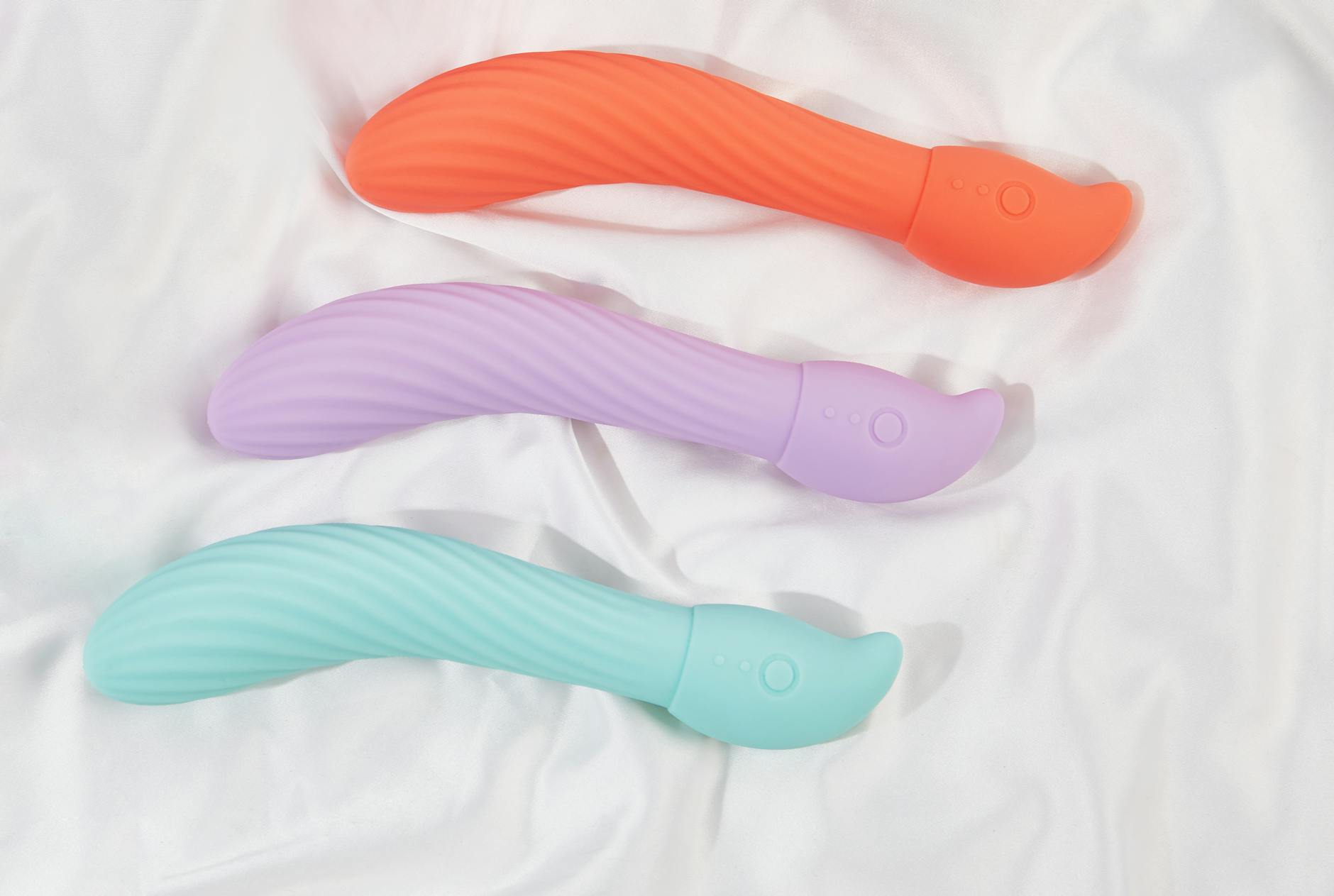
Let's start with what vaginismus actually is
Vaginismus is involuntary tension in the pelvic floor muscles. When arousal or penetration is attempted, those muscles tighten reflexively, like a hand clenching into a fist. It's not a choice, and it's not rare. Research suggests around 5-17% of people with vulvas experience it at some point. The frustration isn't just physical. It's the disconnect between wanting pleasure and your body saying no.
Here's the thing most conventional advice misses: vaginismus isn't primarily a penetration problem. It's a nervous system problem. The pelvic floor has learned to protect itself, and telling someone to relax or use more lube doesn't rewire that protective response.
Why traditional vibrators often backfire
Most vibrators rely on direct stimulation. You place them against the clitoris and let friction do the work. For people with vaginismus, this can trigger the same anticipatory tension that makes penetration difficult. The nervous system reads direct pressure as a threat. Even if there's no actual pain, the body prepares for it anyway.
That's where the mechanics of lemon clitoral vibrators change everything.
How suction-based stimulation works differently
Unlike traditional vibrators, lemon vibrators use pulsing suction instead of vibration alone. The sensation is rhythmic and gentle, more like a slow kiss than rapid buzzing. This matters neurologically. Suction engages different nerve pathways than friction does.
For someone with a sensitive or protective pelvic floor, suction-based stimulation can feel less threatening. It doesn't mimic penetration. It doesn't trigger the same anticipatory tension. And because the clitoris has a higher concentration of nerve endings than vaginal tissue, clitoral suction delivers intense sensation without any pressure on the pelvic floor itself.
In clinical practice, I've seen people with vaginismus experience pleasure with clitoral suction when direct vibration or penetration had felt impossible. That's not coincidence. It's biomechanics.
The pelvic floor connection
Vaginismus and pelvic floor dysfunction feed each other. Tension creates pain, pain creates more tension, and the cycle locks in. Breaking that cycle often means finding pleasure pathways that don't trigger the protective response in the first place.
When you use a lemon clitoral vibrator with someone who has vaginismus, you're offering pleasure without the threat signal. The pelvic floor doesn't feel called to defend. Over time, positive sensory experiences can actually help retrain the nervous system. It sounds abstract, but it's real: repeated experiences of safe pleasure can gradually normalize the sensation of arousal itself.
This is why people often report that pelvic floor physical therapy works better when combined with pleasurable clitoral stimulation. You're not forcing relaxation. You're rewiring what arousal feels like.
Starting with lemon vibrators if you have vaginismus
Timing matters. If penetration feels impossible right now, that's okay. Clitoral pleasure is complete on its own. Many people find that spending time with external stimulation first, without any penetration goal, actually helps the pelvic floor relax over weeks or months.
Start at the gentlest setting. Hello Nancy's lemon clitoral vibrator has multiple intensity levels precisely because nervous system protection doesn't flip on and off. You might begin at level one for several sessions before moving up. There's no rush. The goal is to prove to your nervous system that this sensation is safe.
Lubricant helps too, even though lemon vibrators don't require it the way traditional vibrators do. A little water-based lube reduces any friction and makes the suction feel smoother. It's one less variable your nervous system has to process.
The partner conversation
If you're in a partnership, your partner might feel confused or responsible. They're not. Vaginismus isn't about desire or attraction. It's a legitimate neuromuscular response. The most helpful thing a partner can do is shift focus entirely away from penetration. When penetration isn't the goal, the pressure evaporates.
Using a clitoral vibrator together removes that goalpost entirely. There's no endpoint. There's just pleasure happening, on your timeline, at your pace. That reframing alone can settle some of the anticipatory anxiety that drives the cycle.
When to see a specialist
Clitoral vibrators are a powerful tool, but they work best alongside professional support. A pelvic floor physical therapist who specializes in vaginismus can teach you specific relaxation techniques and breathing patterns that train your nervous system directly. A sex therapist or counselor can address any emotional layers, past trauma, or relationship dynamics that might be fueling the protective response.
If pain is severe or hasn't improved with at-home exploration over a few months, see a gynecologist trained in sexual health. Sometimes vaginismus coexists with other conditions like vulvodynia, and those need specialist attention.
The slow rewiring
One of the most important things I tell people is that this isn't about pushing through. Vaginismus didn't show up overnight, and it won't disappear overnight either. But the nervous system is endlessly adaptable. Repeated experiences of safe, pleasurable sensation genuinely do help retrain it.
Clitoral vibrators, and lemon vibrators in particular, offer a way to experience pleasure that sidesteps the threat signal entirely. That matters. Over time, your nervous system learns that arousal doesn't mean pain is coming. That's how the cycle actually breaks.
Your pleasure matters, and your body's protective response makes sense. What you need is a pathway to sensation that doesn't trigger that protection in the first place. That's what clitoral suction offers.
People also ask
Can vaginismus go away completely?
Yes. With the right combination of physical therapy, pleasure-based exploration, and often professional support, vaginismus is highly treatable. Some people see improvement in weeks, others over several months. The timeline depends on how long you've had it, what triggered it, and how consistently you're working with it. Most people do recover full sexual function, though recovery looks different for everyone.
Is vaginismus psychological or physical?
It's both, and that's actually important to understand. The response is neurophysiological, meaning your nervous system and muscles are genuinely involved. But the trigger is often psychological. Past trauma, anxiety, relationship stress, or even just anticipatory fear can all prime the pelvic floor to tense up. That's why the best treatment usually combines physical techniques with emotional or relational work.
Will a lemon vibrator make vaginismus worse?
No, and this is worth emphasizing. Because lemon clitoral vibrators don't involve penetration or direct friction that mimics it, they don't trigger the same protective response. Many people with vaginismus find that clitoral suction actually feels safer than other forms of stimulation. Start gently and listen to your body, but the suction mechanism itself isn't a threat signal.
How long before clitoral vibrators help with pelvic floor tension?
You might feel relaxation in the pelvic floor within a single session, or it might take weeks of regular use for your nervous system to genuinely shift its protective response. Both timelines are normal. The key is consistency. Using a clitoral vibrator a few times a week sends a steady message to your nervous system: this is safe. Over time, that message rewires the default response.
Can I use a lemon clitoral vibrator if I'm not ready for penetration?
Absolutely. Clitoral pleasure is complete and satisfying on its own. You don't need penetration to have an orgasm or to enjoy your sexuality. For many people with vaginismus, taking penetration completely off the table for a while is actually the fastest way to help the nervous system relax. When there's no performance pressure and no penetration goal, pleasure often shows up more easily.
Should I tell my partner about my vaginismus before using a vibrator together?
Yes. Transparency builds trust and removes the guessing game. Your partner might have questions or feel worried. Reassure them it's not about them. Explain that you're exploring what feels good in a pressure-free way. Most partners are relieved to have a clear direction instead of confusion. Using a clitoral vibrator can actually become a shared experience of pleasure rather than a workaround for a problem.
Your nervous system is smarter than you think
Vaginismus isn't a character flaw or a sign something is wrong with you. It's your nervous system doing its job, just a bit too well. The good news is that the same nervous system that learned to protect itself can learn that certain sensations are safe. Clitoral vibrators, particularly ones that use suction instead of direct friction, offer a pathway to that learning. Start slow, be patient with your body, and know that pleasure is available to you, on your terms.