Let's name the problem first
Desire mismatch is one of the most common reasons couples end up in my office. One partner is ready to go; the other isn't feeling it. The lower-desire partner starts to feel like they're being asked to perform. The higher-desire partner starts to feel rejected. The conversation stops happening. Resentment moves in.
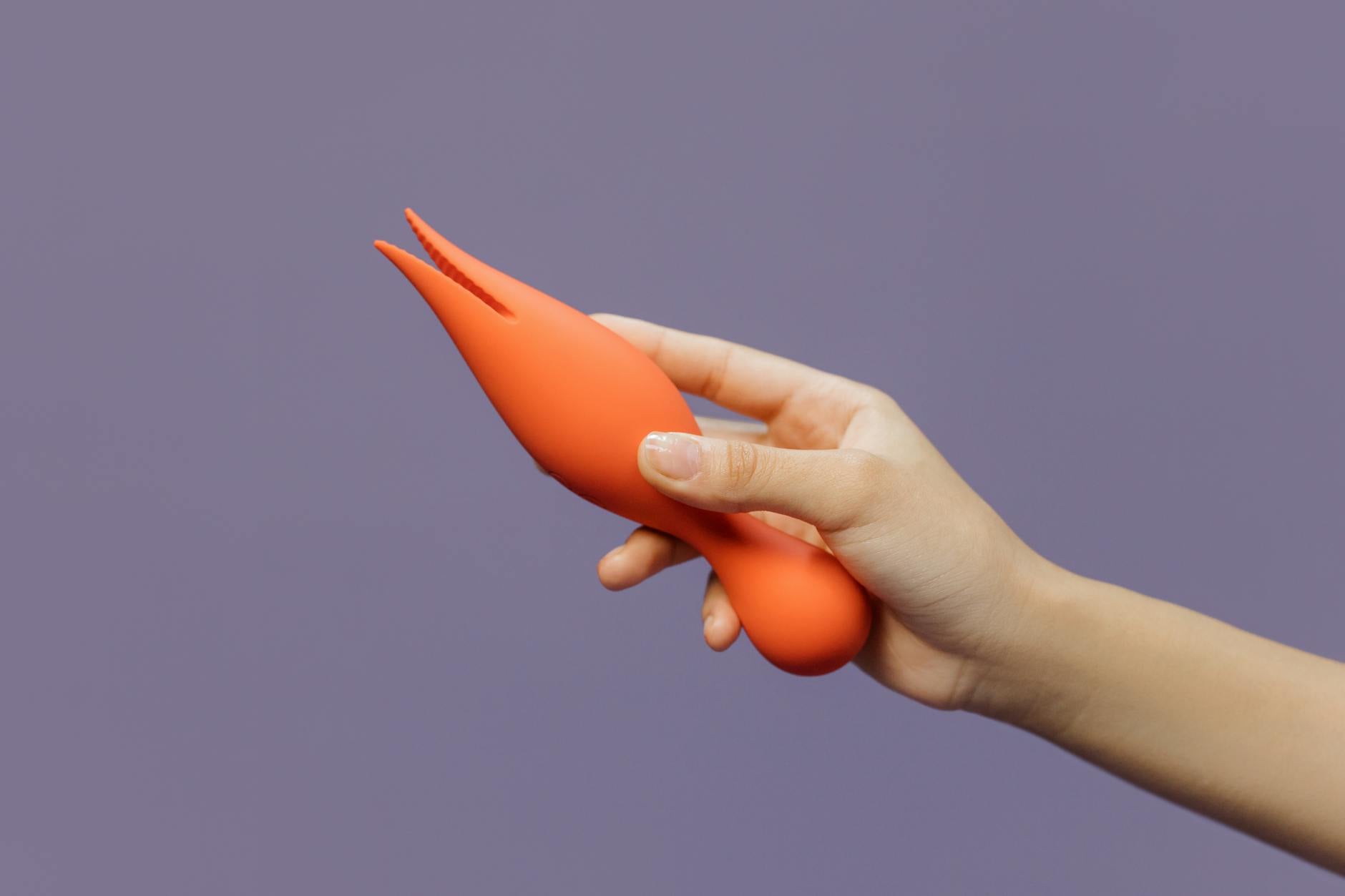
What's fascinating is that introducing a clitoral vibrator, particularly something like the Lem, often rewires the entire dynamic. Not because it fixes anyone or makes anyone want sex they don't want. But because it removes the pressure that was stopping the conversation in the first place.
The rejection spiral
Here's what usually happens: The higher-desire partner initiates. The lower-desire partner doesn't reciprocate with the same energy. Initiation stops feeling like an invitation and starts feeling like a demand. The lower-desire partner tenses up, anticipating pressure. The higher-desire partner picks up on that tension and withdraws, which then feels like rejection. Both people leave the bedroom feeling worse about the relationship than when they walked in.
After this happens a few times, many couples simply stop trying. They tell themselves it's fine, that libido naturally drops in long-term relationships, that they're just not compatible. What they're actually experiencing is learned helplessness. The dance got so uncomfortable that nobody wants to dance anymore.
The statistics back this up. Research from the American Psychological Association found that approximately 34 percent of women and 15 percent of men report low libido. But when couples therapists look at actual relationship data, desire discrepancy shows up in nearly 80 percent of long-term partnerships at some point. That's not a sex problem. That's a communication problem wearing a libido costume.
What a vibrator actually does here
When I suggest a lemon clitoral vibrator to couples navigating mismatched desire, I'm not suggesting it as a workaround. I'm suggesting it as a reset button.
Here's why it works: The lower-desire partner no longer has to perform arousal on someone else's timeline. They can explore their own body, feel their own pleasure building without being watched or waiting for someone else to catch up. There's a psychological shift that happens when pleasure becomes about you instead of about meeting someone else's needs.
The higher-desire partner, meanwhile, isn't rejected. They're included. They get to participate in their partner's pleasure instead of chasing it. That's a fundamentally different experience.
Lemon vibrators specifically work because they're not intimidating. They're small. They don't require complicated positioning. They don't make a lot of noise (so there's no performance anxiety about being heard). The suction technology means the lower-desire partner isn't dealing with the kind of numbing vibration that requires them to be already highly aroused to feel anything. They can start at a place of zero arousal and actually track their own pleasure building in real time.
The conversation that changes everything
But here's the part that actually matters: the vibrator is just permission to have a different conversation.
Instead of "I want to have sex and you don't," the conversation becomes "I want us to explore pleasure together, and I want it to feel good for you on your timeline." That's not a small shift.
I recommend couples do this: Have the vibrator conversation outside the bedroom. Over coffee. On a walk. Somewhere neutral where sex isn't happening and neither person is already triggered. Say something like: "I've noticed things feel tense between us, and I think it's because we're both anxious about the same thing. I want us to find a way to connect that doesn't feel like pressure for either of us. What if we tried this?"
The key is making it collaborative, not transactional. You're not bringing a vibrator into the bedroom to fix your partner. You're bringing it in because you both want something different than what you have now.
What actually changes in the bedroom
The first time a couple uses a lemon clitoral vibrator together after navigating desire mismatch, three things usually happen:
First, the lower-desire partner discovers they actually enjoy the sensation. A lot of low desire isn't really low desire. It's low desire under pressure. When that pressure lifts, people often find they like sex just fine. They like it better, actually, because they're not doing it defensively.
Second, the higher-desire partner experiences their partner's pleasure differently. Instead of trying to create arousal, they're witnessing it. They're part of it without being responsible for all of it. That's restorative for a lot of partners who've been carrying the entire emotional load of desire in the relationship.
Third, both partners get to feel less lonely. Mismatched desire is deeply isolating. When you find a way through it together, even a small way, the loneliness starts to lift.
Timing and rhythm matter
One thing I always tell couples: the vibrator doesn't replace conversation. It augments it. You still need to talk about what's working, what isn't, how you're feeling.
Some couples find that starting with the vibrator once or twice a week takes the pressure off both people. The lower-desire partner knows they have a framework that works for them. The higher-desire partner doesn't have to wonder if they're pushing too hard. Everyone gets to relax.
Other couples find they want to use it differently. Some people enjoy it as foreplay. Others use it solo and then initiate sex afterward, once arousal is already there. There's no right way. The right way is whatever removes the tension you were feeling before.
When desire mismatch is actually something else
I do want to flag something: sometimes what looks like desire mismatch is actually depression, burnout, medication side effects, hormonal changes, or relationship disconnection that goes way deeper than sex. A vibrator won't fix any of those things. If your lower desire showed up suddenly, or if it's accompanied by other changes in mood or energy, that's worth talking to a doctor about. If it's tied to resentment about emotional labor or financial stress or feeling unseen in the relationship, that needs couples therapy, not a toy.
But if your desire mismatch is just the regular wear and tear of long-term partnership, and both people are willing to try something different, a lemon clitoral vibrator often opens up a conversation that was stuck.
The real shift
What I've noticed after years of working with couples is that desire mismatch usually isn't about libido at all. It's about safety. When the lower-desire partner feels safe exploring their own pleasure without pressure, and when the higher-desire partner feels included instead of rejected, the whole dynamic changes.
You don't have to become perfectly matched. You don't have to want sex the same number of times a week. You just have to find a way to connect that feels good for both people. That's the actual goal. The vibrator is just a tool that helps you get there. If you're ready to have that conversation with your partner, or if you're navigating this alone and want to explore what works for your body, Hello Nancy is here to help. Reach out if you'd like guidance.
FAQ
How do I bring up using a vibrator with my partner if they might feel threatened?
Frame it as an experiment, not a criticism. Say something like: "I read this thing about couples using vibrators together, and I thought it might be fun to try." Most partners who initially feel threatened start to relax when they understand you're not trying to replace them. You're trying to create something together that feels better for both people. Start the conversation outside the bedroom, when you're both calm.
Can a vibrator actually increase libido if mine has genuinely disappeared?
A vibrator can help you access arousal you didn't know you had. What often happens is that people with low desire haven't given themselves permission to explore their own body without goal-orientation. Using a clitoral vibrator solo first, with zero pressure to "perform" arousal, sometimes helps people rediscover what pleasure feels like. That can shift their baseline desire. But if your low libido showed up suddenly or is affecting other areas of your life, see a doctor.
What if my partner wants more sex than I do and a vibrator feels like a band-aid?
It might be. Vibrators don't fix fundamental incompatibility. But they often fix the anxiety and resentment that's making the incompatibility feel worse than it is. If you've tried the vibrator route and you're still feeling pressured or your partner is still feeling rejected, that's when couples therapy is worth considering. Sometimes the real issue is something deeper than frequency.
Is it normal for couples to use a vibrator together if one partner has never had an orgasm?
Completely normal. In fact, many couples find that a vibrator is the gentlest way to explore pleasure together when one person is still learning their body. The beauty of a lemon clitoral vibrator is that it's intuitive enough that the learning curve is minimal, which means less performance anxiety for everyone.
How often should we use a lemon vibrator for it to help with desire mismatch?
There's no magic frequency. Some couples use one a few times a week and find that the pressure drops immediately. Others find that using one once or twice a month is enough to remind them that pleasure is available and doesn't have to be complicated. The point isn't frequency. It's consistency and communication. Pick a rhythm that feels sustainable, and be willing to adjust if it stops working.
Can a vibrator help if our desire mismatch is tied to relationship resentment?
Not by itself. If you're resentful about other things in the relationship (emotional labor, financial inequality, feeling unseen), a vibrator won't untangle that. But sometimes creating a positive shared experience around pleasure can open the door to having harder conversations about what else needs to shift. It's not the solution, but it can be the catalyst.