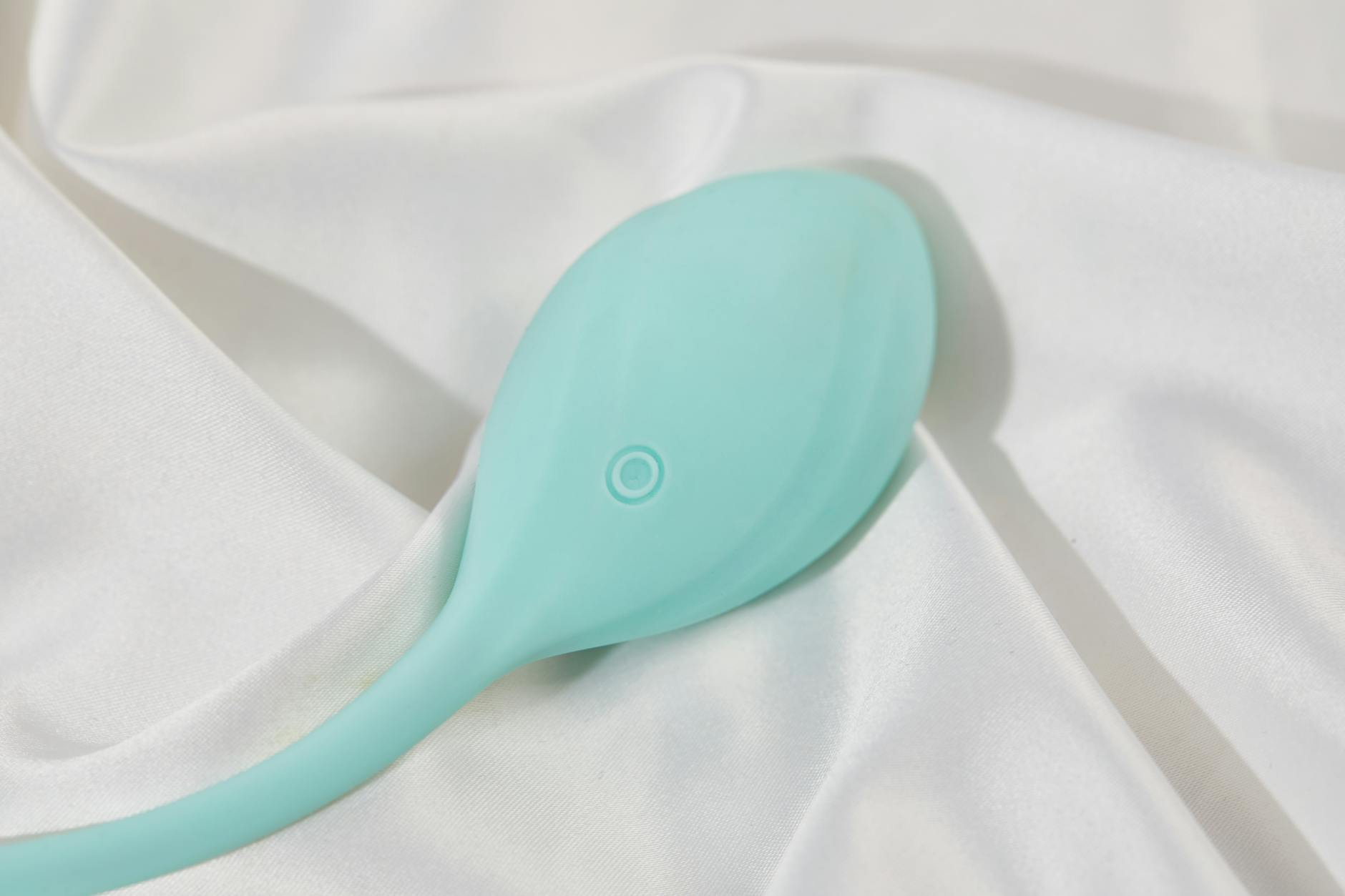
Let's talk about trauma and pleasure
Here's what matters: your body doesn't forget. After sexual trauma, pleasure can feel impossible, or worse, like a betrayal of what happened to you. That's not weakness. That's your nervous system doing its job, which is to protect you. Reclaiming pleasure isn't about rushing back to where you were. It's about slowly, deliberately, teaching your body that sensation can be safe again.
A lemon clitoral vibrator can be part of that conversation. But only if you approach it with intention, patience, and permission to stop whenever you need to.
Why lemon vibrators can help after trauma
Three things make lemon vibrators unique for trauma recovery specifically.
First, you have complete control. You decide when it turns on, what speed it runs at, whether it stays on. No partner is involved unless you choose it. No surprises, no pressure, no negotiating your own body's response. That agency matters more than anything else in the early stages.
Second, the sensation is gentle and focused. Air-suction technology like the Hello Nancy lemon vibrators create a different feeling than traditional vibration. It's more like a soft pulse than a buzz. For people who've been hurt, this can feel less invasive and more manageable. You're not forcing intensity. You're inviting sensation at your own pace.
Third, you can start incredibly small. Many lemon adult toys have multiple speed settings. You can start at the lowest setting, at a distance, with clothes on, or just holding it without turning it on. Pleasure recovery isn't about jumping to orgasm. It's about reconnecting with the feeling that touch can feel good.
Creating safety before you begin
Before you even unpack a lemon clitoral vibrator, you need one thing: a clear sense of what safe feels like for you.
This might mean setting boundaries with your partner (if you have one). You don't owe them transparency about your pleasure recovery, but you do owe yourself clear communication. "I need time alone with my body" is a complete sentence. "I'm exploring my own pleasure and I'll let you know when or if I want to include you" is also complete.
It might mean finding a therapist who specializes in trauma. Ideally someone trained in somatic therapy, which pays attention to what's happening in your body, not just your thoughts. Your nervous system needs help recalibrating, and a good therapist can guide that.
It definitely means choosing a physical space where you feel genuinely safe. No locked door that makes you panic. No space where you'll be interrupted. No reminders of what happened. Create a small ritual around preparation: light you like, music or silence, whatever signals to your body that this is gentle and intentional.
Starting slow with lemon sexual toys
Begin without the toy. Spend a few sessions just exploring your own body, clothed or not, with zero goal beyond noticing what feels okay. This isn't foreplay. It's reconnaissance. You're teaching your nervous system that touch is possible.
When you're ready to introduce a lemon vibrator, start with it turned off. Hold it. Look at it. Let it be present without it doing anything. This sounds absurdly basic, but for trauma survivors, this is work.
Turn it on at the lowest setting. You don't have to use it on your body yet. Just listen to the sound. Feel the vibration in your hand. Your body is learning: this object makes this noise and this feeling. That's all.
When you're ready, try it over clothing first. Maybe your thigh, maybe your arm. Somewhere low-stakes. Notice what happens in your body. Does your breathing change? Do you feel your muscles tense? Both are information, not failure.
Moving to bare skin is the next step, but only when the previous step felt genuinely calm. This isn't a race. Some people spend weeks on each step. That's perfect.
Managing triggers and setbacks
You will probably have a moment where something feels triggering. The toy reminds you of something, or your body floods with panic, or you just feel done. This is not failure. This is your nervous system protecting you.
When this happens, stop immediately. Turn off the lemon vibrator. Put it away if seeing it makes you anxious. Ground yourself: feel your feet on the floor, notice five things you can see, run cold water on your wrists. You're teaching your body that you listen to it and respect its signals.
Some trauma survivors find that the lemon clitoral suction sensation, once they get comfortable with it, actually helps. The rhythmic pulse can feel meditative. The focused sensation can help you stay present in your body rather than dissociating. But that only happens if you're patient enough to get there. Pushing through discomfort is not healing. Respecting your pace is.
Partnered exploration, if and when you're ready
Eventually, you might want to include a partner in this recovery. That's completely optional, but if you do, here's what helps.
First, tell your partner explicitly what you need. "I want to explore this alone for now" or "I want you in the room but not touching me" or "I want you to hold me and narrate what's happening so I stay present." Different survivors need different things. The key is knowing what yours is.
Second, your partner's job is to follow, not lead. They don't decide the pace. They don't suggest trying more. They check in occasionally, but not in a way that breaks your focus. For many partners of trauma survivors, the hardest part is staying still and offering presence rather than direction. That's actually the most healing thing they can do.
Third, don't expect your partner's involvement to immediately make things better. Sometimes having someone else present makes healing slower, not faster. Both are normal. You're not failing. You're learning what you need.
The bigger picture
Using a lemon vibrator as part of trauma recovery is one small piece of a much larger conversation: rebuilding your relationship with your own body, your sexuality, and pleasure itself. If you're also working with a therapist, tell them what you're doing. If you're navigating this with a partner, be honest about what you need. If you're healing alone, give yourself permission to take as long as you need.
Your pleasure matters, but your safety matters more. Full stop.
People also ask
Is it normal to feel nothing when using a lemon vibrator after trauma?
Completely normal. Trauma can numb your body's ability to feel sensation, especially pleasure. This often improves with time and consistent, gentle exposure. Some trauma survivors notice sensation returns faster with the soft suction of a lemon clitoral vibrator than with traditional vibration. If numbness persists for months, talk to a therapist or doctor. Sometimes medication or other treatments can help unlock sensation again.
Can using a lemon sexual toy make PTSD symptoms worse?
It can, if you're pushing too fast or ignoring your body's signals. The key is staying in your window of tolerance. That means noticing when your nervous system is calm, slightly activated, or flooding with panic. You want to stay in that slightly activated zone while using a lemon vibrator. The moment you tip into panic or dissociation, you stop. This isn't failure. It's good nervous system hygiene.
How long does it usually take to feel comfortable with a lemon vibrator after trauma?
There's no standard timeline. Some survivors are comfortable exploring within a few weeks. Others need months or years. The pace depends on the trauma itself, whether you're in therapy, your nervous system's sensitivity, and whether you're in a safe environment now. Your only job is to listen to your body and not rush.
Should I tell my partner I'm using a lemon vibrator as part of recovery?
That depends on your relationship and your needs. If you live together or they might discover it anyway, transparency usually helps prevent misunderstanding. But you don't owe anyone access to your healing process. If you want to keep it private, that's valid. If you want to tell them and ask for support, that's also valid. Choose based on what feels safest to you.
Does using a hello nancy lemon vibrator mean I should be ready for partnered sex?
Absolutely not. Comfort with a solo toy doesn't translate to being ready for a partner. Those are different nervous system states. You might feel completely safe with your own body and still need months or years before you're ready to be touched by someone else. Trust that timeline. There's no finish line here.
What if I feel guilty using a lemon vibrator after what happened?
That guilt is often internalized shame that the trauma taught you. Healing includes slowly, deliberately, untangling pleasure from guilt. A trauma-informed therapist can help with this. In the moment, remind yourself: your pleasure does not belong to anyone else. It doesn't owe anything to your trauma. Reclaiming it is reclaiming yourself.