Let's talk about the real shift
Libido doesn't switch off like a light. It simmers down, then moves. That distinction matters because most conversations about aging and sex fall into either "everything fades" or "nothing changes." Both miss what's actually happening.
Yes, testosterone dips. Arousal takes longer. Vaginal lubrication may decrease. Blood flow to the genitals shifts. But here's what people rarely mention: the neural pathways for pleasure don't age. The clitoris doesn't lose sensitivity. And plenty of people report their most intense orgasms of their lives after 50.
What actually changes with age
Three main things shift as we get older, and none of them are permanent or insurmountable.
First, arousal speed changes. Where you might have felt ready in five minutes at 25, it might take 15 or 20 now. That's not weakness. That's information. It means slower warm-up, more deliberate touch, and honestly, more time to be present with your body.
Second, hormonal changes affect tissue. Vaginal walls thin slightly. Natural lubrication decreases. This is real and worth planning for. Water-based lubricant becomes a tool, not a sign something's wrong.
Third, desire feels different. You might notice wanting sex less frequently, or wanting it in a different way. That's not gone libido. That's evolved desire. Many people find they want more emotional intimacy before physical pleasure, or they want touch that's slower and more attuned.
What doesn't change: the clitoral nerve density, your brain's capacity for pleasure, or your body's ability to have powerful orgasms. Those stay.
Why lemon vibrators work particularly well as you age
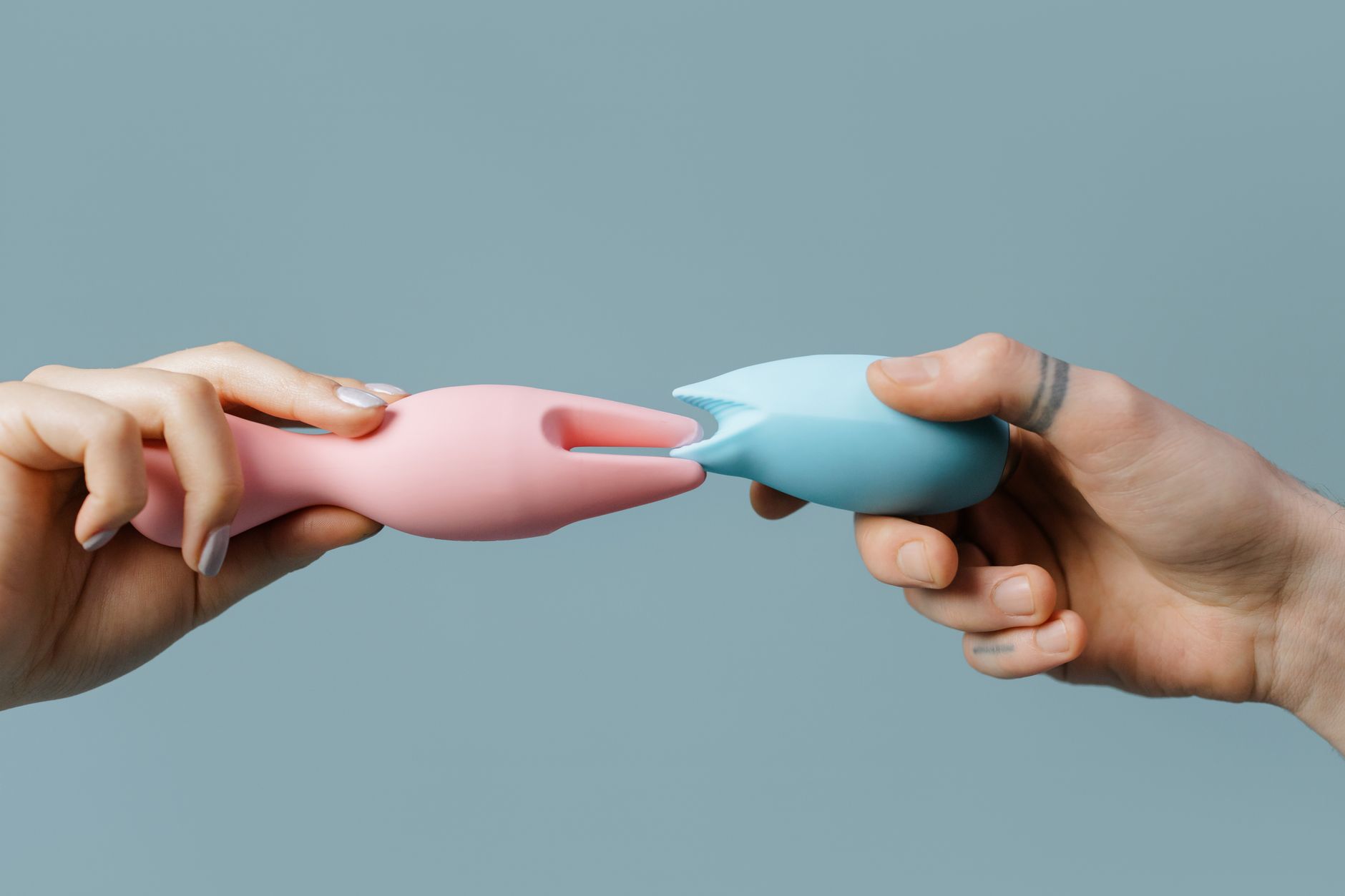
Lemon sexual toys like the Lem vibrator use gentle suction rather than direct vibration. This matters for aging bodies for several concrete reasons.
Direct vibration on thinner or more sensitive tissue can feel sharp or even slightly uncomfortable. The suction pattern of a lemon clitoral vibrator creates broader, gentler stimulation that builds gradually. You're not overwhelmed. You're invited.
Second, the Lem vibrator has manageable intensity settings. You control the start point. Most people in their 40s, 50s, and beyond find themselves starting at levels 1 or 2 instead of jumping to the highest setting. That's not less pleasure. It's more precise pleasure.
Third, suction toys feel good longer. You can spend 20, 30, even 45 minutes with a lemon adult toy without fatigue or numbness. The sensation changes as you go, which keeps engagement high.
The warm-up that actually works
Forget the old model where foreplay is "something that happens before the real thing." After a certain age, warm-up isn't preliminary. It's central.
Here's what I recommend to most of my clients working with low libido and aging bodies.
Start with non-sexual touch. Hands, massage, skin contact for 5 to 10 minutes. No agenda. This activates your parasympathetic nervous system and tells your brain that pleasure is safe.
Then move to self-touch or partner touch around the vulva, but not directly on the clitoris yet. Thighs, labia majora, the perimeter. Spend 8 to 12 minutes here. You're building blood flow and arousal without expecting immediate response.
Only then introduce the lemon vibrator. Start on the lowest setting. Most people find that sensation feels almost gentle at first. That's the point. Let arousal build in layers.
This entire sequence takes 30 minutes. Many people think that's too long. It's not. It's the minimum for a nervous system that's gotten used to stress and speed.
Managing arousal changes and what helps
One thing that surprises many clients: you might notice your arousal curve looks different. You might get more aroused, plateau, then need to build again. That's not a malfunction. That's patterned arousal. It's actually more common as you age.
When this happens, shift your focus with the lemon vibrator. Move the stimulation to a slightly different spot on the clitoris. Change the intensity by half a level. Give your nervous system a new signal to respond to. You'll often feel the arousal curve climb again.
If lubrication is low, use good water-based lubricant generously. Not sparingly. Not apologetically. Generously. It's not about fixing yourself. It's about comfort and sensation.
If you're on hormonal medications or dealing with medications that affect libido, talk to your doctor. Many options exist, from topical estrogen to adjusted timing of medication doses. These conversations matter and often shift the entire experience.
The mental piece that changes everything
Here's something that affects libido more than hormones do by midlife: permission.
Many people spend 20 or 30 years calibrating their sexual desire around a partner's needs, fertility concerns, or social expectations. After 45 or 50, something shifts. You stop performing. You start exploring what actually feels good to you.
That sounds liberating. It also creates a vulnerability. You have to learn your own body again, sometimes for the first time.
Using a lemon clitoral vibrator in this context is powerful. You're learning what you respond to without the pressure of partner satisfaction. You're discovering your own arousal patterns in solitude. That information is gold when you bring it back to partnered sex.
If you have a partner, this is worth naming. "I'm figuring out what works for my body now. This might change things between us, and I'm excited to explore that together." That honest sentence prevents resentment and opens real conversation.
When to seek support
Low libido paired with aging is common. Painful sex paired with aging is not something to accept.
If penetration or any touch causes pain, see a gynecologist who understands genitourinary syndrome of menopause or pelvic floor tension. Both are highly treatable. Topical estrogen works quickly. Pelvic floor physical therapy changes everything.
If desire has completely flatlined and isn't connected to a relationship issue or major life stress, mention it to your doctor. Low testosterone is real and worth testing for. Depression and anxiety also suppress libido more than age does.
If you're on antidepressants or blood pressure medications, ask whether timing adjustments or alternatives might help. Many people don't know their medications can be tweaked.
Building desire back in, step by step
When libido drops, it often takes intention to rebuild it. This isn't about forcing yourself. It's about creating the conditions where desire can return.
Start small. Once or twice a week, spend 20 minutes with yourself or with a partner doing nothing but touch and sensation. Use the lemon vibrator if it feels right. Stop if it doesn't. The goal isn't orgasm. The goal is remembering that your body can feel good.
Second, track what makes you feel most responsive. Is it morning or evening? Alone or with a partner? After exercise, or when rested? After an emotional conversation, or when your mind is quiet? Write it down. Patterns emerge.
Third, protect that time. Sex at 50 requires more intention than sex at 25, not because you're broken, but because your nervous system requires safety and focus to respond. That's not a downgrade. It's a different skill.
Finally, stay patient with yourself. Libido doesn't rebuild in weeks. It rebuilds in months. If you've felt disconnected from your body for years, reconnection is a process.
Pleasure doesn't peak at 25
Most of what we hear about aging and sexuality comes from people who've never experienced it yet, or from research that treats sex as a medical problem instead of a human experience.
The real story is different. Yes, things change. Yes, you need to adapt. But adaptation often means deeper knowledge, better communication, and more intentional pleasure. Many people in their 50s and 60s tell me their sex lives are richer than they were at 30. They have less urgency and more presence. Less performance anxiety and more genuine curiosity about what feels good.
Lemon vibrators, lem vibrator designs, and other lemon adult toys are built for this reality. They're not compensating for loss. They're enhancing what's still absolutely possible. Your body is not declining into dysfunction. It's evolving into a different kind of responsive.
People also ask
Does using a vibrator reduce natural arousal as you age?
No. If anything, the opposite is true. Using a lemon vibrator helps you understand your own response patterns, which then transfers to partnered sex or solo exploration. The nervous system isn't lazy. It's responsive. The more you know what you respond to, the better you respond. Toys are training, not replacement.
How often should I use a lemon clitoral vibrator if my libido is low?
Start with once or twice a week, in sessions of 20 to 30 minutes. You're not trying to force orgasm. You're reaccuanting your nervous system with pleasure. Many people find that after four or five weeks of consistent, low-pressure exploration, libido naturally increases. Consistency matters more than frequency.
Can low libido with age be completely reversed?
It depends on the cause. If it's hormonal, targeted treatment often helps significantly. If it's medication-related, adjustment might restore things. If it's relational, couples work creates change. If it's neurological (certain medications numb sensation), you adapt rather than reverse. Most people see meaningful improvement within 8 to 12 weeks of addressing the root cause and using intentional tools like a lem vibrator.
Should I use lubricant with a lemon vibrator if I have less natural lubrication?
Yes, absolutely. Water-based lubricant isn't a sign of failure. It's a tool that increases comfort and sensation. Many people find they respond more readily to the lemon vibrator when lubrication is adequate, because they're not bracing against discomfort. Use generously.
Is it normal for arousal to feel different or take longer as you age?
Completely normal. Your nervous system changes. Blood flow changes. Hormones change. This doesn't mean arousal is gone. It means you need different conditions to access it. Slower warm-up, longer foreplay, more emotional connection, more direct clitoral stimulation. Many people find that once they stop fighting these changes and lean into them, arousal becomes more reliable, not less.
Can a partner help with low libido by using a lemon vibrator together?
Yes. Many couples find that introducing a lemon sexual toy into partnered sex gives them a conversation starter and a new sensation to explore together. It also removes performance pressure. The toy becomes a third element, which paradoxically makes both partners feel less judged. Just talk about it first. Make sure it's something you both want to try.
Your pleasure doesn't have an expiration date. It evolves. The tools change, the pace changes, sometimes the desire itself reshapes. But the capacity for intense, meaningful orgasms? That stays. A lemon vibrator is one way to stay curious about what your body can feel, at any age.