Your pelvic floor isn't just tight. It's traumatized.
Here's what prolonged stress does: it doesn't pass through your body like a wave and leave. It sets up camp. Your nervous system goes into protection mode, and your pelvic floor muscles respond like a security team that never clocks out. They clench. They stay clenched. After months, that clenching feels like your baseline.
The result is that pleasure becomes physically impossible. Not because you don't want it. Because your body literally can't receive it.
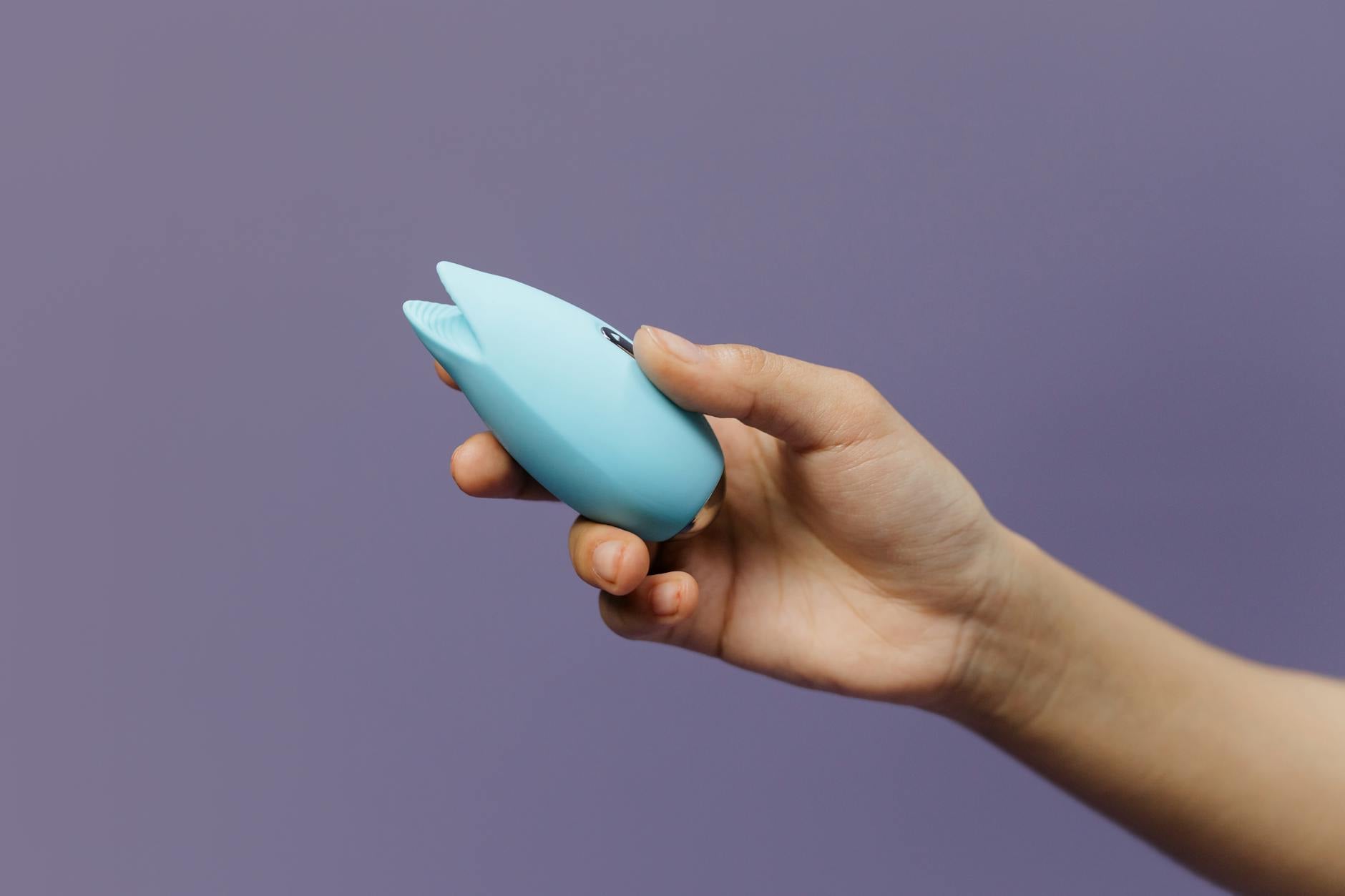
Lemon clitoral vibrators, specifically their gentle suction pattern, can be the bridge back. But you have to use them differently than you would if your pelvic floor were relaxed.
What prolonged stress actually does to your body
Your pelvic floor muscles are always working. They support your organs, they control your bladder, and they contribute to arousal and orgasm. When you're stressed for extended periods, these muscles don't get the signal to relax. Your sympathetic nervous system (your fight-or-flight) stays elevated, and your pelvic floor stays in a locked position.
Over time, this shows up as:
- Pain or discomfort during penetration, even when lubrication is fine
- An inability to become aroused, even when you want to
- A sensation of numbness or dullness during sexual activity
- Difficulty with orgasm despite plenty of stimulation
- Unexplained muscle tension in your lower back or hips
None of this means you're broken. It means your nervous system is doing exactly what it's designed to do. But it's doing it too well, and it's not switching off.
Why suction (like the Lem) works better than vibration alone
Most vibrators rely on rapid oscillation. If your pelvic floor is already braced and tense, adding vibration can actually increase that tension. It's like asking a muscle to relax by poking it repeatedly. It doesn't work.
Suction-based stimulation, like what you get from a lemon clitoral vibrator, works differently. Instead of hammering the tissue with vibrations, suction gently draws the clitoral glans and surrounding tissue upward, engaging nerves through sustained pressure and rhythmic pulses rather than high-frequency vibration. This feels soothing rather than demanding.
For someone recovering from stress-induced pelvic floor tension, suction provides two benefits at once. It stimulates the nerves responsible for arousal and pleasure without demanding your muscles contract harder. And the gentle, rhythmic sensation can actually help signal your nervous system that it's safe to relax.
How to start: the reset protocol
Beginning with a lemon clitoral vibrator after months of tension requires a totally different approach than normal use. Think of this as retraining your nervous system, not rushing to orgasm.
Week one: sensation only, no goal.
Set aside 15 minutes when you're alone and relaxed. Lie down somewhere comfortable. Start with the lemon vibrator on its lowest setting (pattern 1). Don't aim for arousal. Instead, focus on noticing sensation. Can you feel the suction? Does it feel pleasant, uncomfortable, or neutral? Don't judge any of these responses.
Apply the vibrator for just two to three minutes, then stop. This isn't about duration. It's about giving your nervous system permission to notice pleasure again without demanding an outcome.
Week two: extend the time, add breathing.
Once you're comfortable with two to three minutes, extend to five minutes. But add this element: breathe. Specifically, breathe into your pelvic floor. This is where it gets crucial. Many people don't realize they're holding their breath during stress recovery. Every exhale should feel like you're releasing tension.
Try this rhythm: inhale for a count of four, hold for four, exhale for six. The longer exhale activates your parasympathetic nervous system, which is the literal opposite of your stress response. You're switching the key in your nervous system lock.
Building arousal without forcing it
Once you're comfortable with sensation and breathing, arousal often follows naturally. But if it doesn't immediately, that's normal and expected. Your body is learning to trust that pleasure is safe again.
When you're ready to progress, shift your focus. Instead of just noticing sensation, start exploring what patterns feel good. Move to pattern 2 or 3 on your lemon vibrator if the lowest setting feels boring. Experiment with speed and positioning. Some people find that angling the vibrator slightly off-center feels more pleasurable than direct pressure.
The key is staying in a place of curiosity rather than performance. You're not trying to come. You're gathering information about what your body enjoys when it's not braced in panic mode.
The partner element: how to communicate this
If you're in a relationship, your partner might notice the shift in your availability for pleasure. They might also notice that you're suddenly using a vibrator and feel confused or left out. This is where honest conversation matters.
You might say something like: "I've realized that stress has made my body really tense. I'm working on helping my nervous system relax again, and using a vibrator is part of that. This isn't about you or anything you're doing. This is about me reconnecting with my own pleasure first." For more on navigating this conversation, see how to use lemon vibrators with a new partner.
Many partners actually feel relief when they understand what's happening. They're no longer blamed for something physiological. And some couples find that watching this process unfold creates a deeper sense of intimacy.
When to bring in professional support
If after four to six weeks of consistent gentle use you're still experiencing pain, numbness, or complete inability to become aroused, talk to a pelvic floor physical therapist. This isn't failure. It's upgrading your toolkit.
Pelvic floor PT can include manual release techniques, biofeedback training (where you learn to consciously relax these muscles), and sometimes internal massage. Combined with your lemon clitoral vibrator practice at home, this combination often accelerates recovery significantly.
Also consider whether you need help with the stress itself. Sometimes the pelvic floor tension is the signal that your nervous system needs more support. Therapy, somatic work, or even medication can all be part of the picture. Your vibrator is one tool, not the only one.
The timeline for recovery
Honestly? It depends on how long you've been braced. If your pelvic floor has been clenched for three months, expect about three months of gentle rebuilding. If it's been a year, budget six months. This is frustrating to hear when you want immediate results, but your nervous system learns at its own pace.
What usually happens: weeks one and two feel like nothing's changing. Week three, you notice the tiniest shift in arousal. Week four, that shift gets bigger. By week six, most people can feel a noticeable difference. By week twelve, many report that pleasure feels accessible again, not just theoretically but actually.
The lemon clitoral vibrator becomes less of a recovery tool at that point and more of just a pleasure tool. Which is exactly where you want it to be.
FAQ
Can I use a lemon vibrator if I have diagnosed vaginismus?
Yes, but start even more slowly. If you have vaginismus (involuntary muscle contractions), the lowest setting on your lemon vibrator is your friend. The suction pattern is gentler than vibration, which many people with vaginismus tolerate better. But "slow" means two to three minutes of sensation, then stopping. The goal is never to push through the tension. It's to teach your body that external touch is safe. Learn more about using lemon vibrators with vaginismus.
Will I lose sensitivity if my pelvic floor is this tense?
Not permanently, but temporarily, yes. Tension and bracing can create a kind of numbness. Think of it like pressing on a nerve in your arm. Once you release the pressure, sensation comes back. The same happens with your pelvic floor. As you relax these muscles, your nerve sensitivity returns.
What if I feel nothing, even after weeks of use?
This is more common than you'd think and usually means you need professional support. A pelvic floor physical therapist can assess whether the tension is so severe that you need hands-on work before at-home tools will be effective. Some people need a hybrid approach: PT sessions plus vibrator practice. There's no shame in this. It's just how the body heals sometimes.
Can stress come back and re-clench my pelvic floor?
Yes. Stress isn't a one-time event; it's chronic for many people. The difference is that once you know how to release the tension once, you can do it again faster. Your lemon vibrator becomes maintenance, not just recovery. Even five minutes weekly can help prevent re-clenching.
Is my partner supposed to be involved in this?
Not necessarily. This is primarily about you learning to reconnect with your own body and nervous system. Some couples choose to make it collaborative, but there's zero obligation. Your solo practice is the foundation. Everything else builds on that.
How do I know if I should see a pelvic floor PT?
If you experience pain during any sexual activity, or if arousal genuinely doesn't return after six weeks of consistent practice, a PT visit is worth it. They're not judgmental. They see this pattern constantly, and they know how to help.
The real payoff
Using lemon clitoral vibrators after prolonged stress isn't just about getting your orgasm back, though that's part of it. It's about proving to your nervous system that safety is possible. That pleasure is possible. That your body can relax and feel good again.
That shift is bigger than any single sensation. It's the difference between bracing for impact and finally, finally letting your shoulders drop.
If you're navigating this recovery right now, be patient with yourself. Your body locked down for a reason. It's going to take time to unlock. But it will. The lemon vibrator is just one tool pointing your nervous system in the right direction. You're doing the real work.