Let's talk about what nobody mentions
You've been using the same toy at the same intensity for months. Or years. Everything worked fine until suddenly it didn't. You need more pressure. More speed. The sensation that used to send you into orbit now feels like a gentle flutter. Your clitoris has gone numb.
This is not permanent. It is not a sign you've broken anything. It's a neurological adaptation, and it's reversible.
Why clitoral numbing actually happens
Your clitoris contains roughly 8,000 nerve endings concentrated in a space smaller than a pea. When you stimulate the same area with the same intensity repeatedly, those nerves adapt. This is called sensory accommodation. Your nervous system essentially learns the signal so well that it stops paying attention to it. Your brain filters it out as background noise.
Think of it like wearing a shirt. For the first five minutes, you feel it against your skin constantly. After an hour, your nervous system has categorized it as "safe, static input" and stops reporting it to your conscious awareness. Same shirt. Same contact. But you've stopped noticing it.
The clitoris works the same way. Repetitive stimulation at the same pressure, speed, and rhythm trains your nerve endings to habituate. They need novelty or variation to stay engaged. If you keep applying the same signal, the sensation fades.
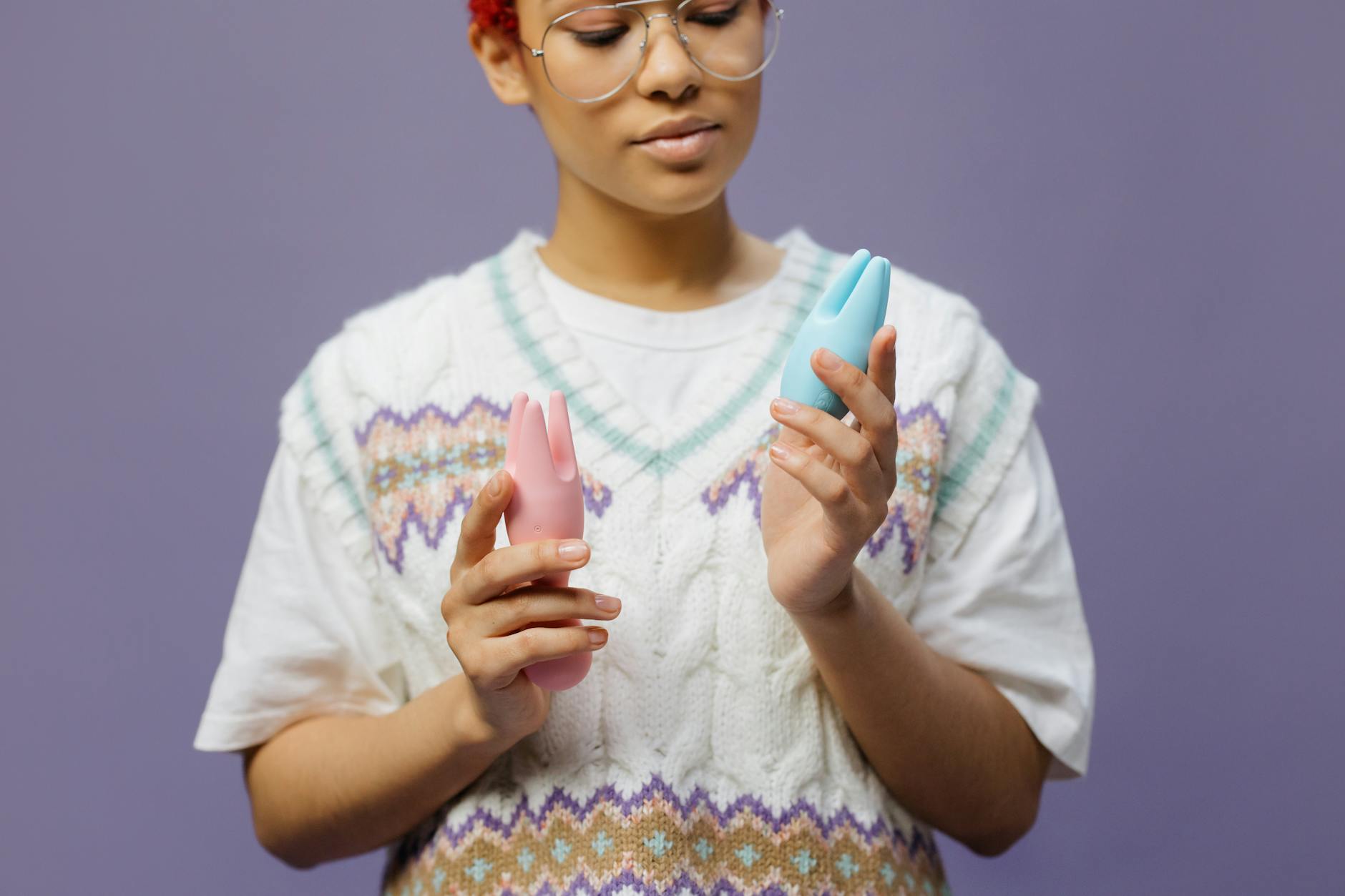
This is especially common with powerful vibrators used at high speeds continuously. Traditional vibration delivers a consistent, predictable frequency that's easy for nerves to tune out. That's actually one reason why lemon clitoral vibrators and air-suction toys feel so different to many people. They apply pressure through suction rather than pure vibration, which delivers a less predictable, more novel sensation pattern.
The timeline for recovery
Clitoral sensitivity usually returns within 2 to 6 weeks of stopping stimulation or significantly reducing intensity. Some people notice improvement within days. Others take the full six weeks. The variation depends on how long you've been overstimulating, your overall nerve health, and whether you had sensitivity issues before.
During this window, your nerve endings are recalibrating. They're learning to respond to subtler signals again. The process isn't passive. You have to actively retrain them.
How to actually rebuild sensation
1. Take a real break
This is the hardest part because it feels counterintuitive. You might assume you need to keep practicing to get sensation back. You don't. You need to stop.
A full 5 to 7 day break from any clitoral stimulation gives your nerves space to downregulate the accommodation. No vibrators. No partner touch. No manual stimulation. Let your clitoris rest completely.
After that week, you can resume, but you have to approach it differently.
2. Start with lighter pressure
When you restart, begin at the lowest possible intensity. If your go-to toy had you at settings 5 or 6, start at setting 1 or 2. Your goal is to rediscover what sensation feels like when it's faint. This trains your nervous system to notice subtle input again.
This feels frustratingly soft at first. That's the point. You're not chasing orgasm yet. You're rebuilding sensitivity. The frustration is temporary. Stick with it for at least three sessions before increasing intensity.
3. Change patterns frequently
Don't fall back into the same rhythm. If you always used a steady pulse, try intermittent patterns. If you always applied pressure directly to the head, try indirect stimulation along the shaft or sides. Vary your speed. Vary your pressure. Vary the position of the toy.
Novelty is what wakes up nerve endings. Predictability is what puts them to sleep. Breaking your routine is the fastest way to rebuild responsiveness.
4. Incorporate different sensation types
If you've been using traditional vibration exclusively, introduce a completely different sensation. This is where air-suction toys and pressure-based stimulation shine. The lemon clitoral vibrator, for instance, combines gentle vibration with a unique pressure pattern that feels quite different from a standard wand or bullet.
Using a different toy altogether can feel shocking to your system. That unfamiliar sensation pattern is exactly what helps reset sensory accommodation.
5. Extend your warm-up time
Arrousal itself sensitizes the clitoris. Blood flow increases. Tissue swells slightly. Nerve endings become more responsive. If you've been jumping straight into stimulation, your clitoris hasn't had time to prep.
Instead, spend 10 to 15 minutes on general arousal first. Kiss. Touch other areas. Breathe. Get genuinely aroused before you bring any toy into the picture. A properly aroused clitoris is far more responsive than a cold one.
When numbing suggests something else
Sometimes sensation loss isn't about overstimulation. It can point to other factors worth investigating.
Hormonal changes, especially shifts in estrogen or testosterone, dull clitoral sensation. If you've recently changed birth control, started or stopped HRT, or experienced hormonal transitions, that could be the culprit. Your sensitivity may return as your body stabilizes, but it can take several months.
Some medications, particularly SSRIs and certain blood pressure drugs, reduce genital sensation as a side effect. If you started a new medication around the time sensation faded, mention it to your doctor. There might be alternatives that don't affect sexuality.
Pelvic floor tension can also numb sensation. A hyperactive pelvic floor grips so tightly that it restricts blood flow and nerve signaling to the clitoris. This feels like numbness but it's actually constriction. Pelvic floor physical therapy is the fix here, not toy variation.
If sensitivity doesn't return within 8 weeks despite taking a break and retraining, or if sensation loss appeared suddenly without an obvious cause, check in with a gynecologist or sex-informed therapist. You deserve clear answers.
The partner angle
If you have a partner, rebuild this slowly together. Explain that you're retraining sensitivity, not that they did anything wrong or that their touch isn't enough. Invite them into the process.
Partner touch is actually one of the most powerful ways to rebuild sensation because it offers variability your fingers or a solo toy can't match. Human hands can't replicate the exact same pressure twice. That inconsistency is therapeutic when you're recovering from overstimulation.
Take turns exploring. Let them touch you with no goal. Let yourself learn what light pressure actually feels like from someone else.
The prevention move for next time
Once you're back to normal sensitivity, the goal is maintaining it. This doesn't mean you can never use a powerful toy again. It means varying your approach.
Rotate between different toys. Change intensity settings from session to session. Take occasional breaks. Alternate between solo and partnered stimulation. These practices prevent accommodation from building up again.
Think of it like muscle memory. Your nervous system learns what it's trained to notice. If you train it only for intense, repetitive stimulation, that's the only signal it will respond to. If you train it for variety, that's what it stays tuned to.
Clitoral sensitivity is resilient. You've built it. You can rebuild it. And you can absolutely maintain it with intentional variety and occasional rest.
Frequently asked questions
How long does clitoral numbness actually last if I do nothing?
If you keep stimulating at the same intensity, numbness can persist indefinitely because you're reinforcing the accommodation. Your nervous system adapts to whatever you're doing repeatedly. If you stop stimulation completely for 2 to 6 weeks, sensation typically returns. The timeline depends on how long you've been overstimulating and your individual nerve recovery speed.
Can I rebuild sensitivity while still having sex or using toys?
Yes, but not with the same toy or intensity you were using before. You need to introduce novelty and lighter pressure. This means using a different toy or a different stimulation pattern. The goal is to wake up your nerve endings with unfamiliar signals, not to continue the pattern that numbed them in the first place.
Do air-suction toys like lemon vibrators really help rebuild sensitivity faster?
They can help because they deliver a sensation pattern that's significantly different from traditional vibration. If you've been numb to regular vibrators, switching to a pressure-based suction toy provides the novelty your nervous system needs to wake up. The lemon sucker works well for this because it feels quite distinct from what your clitoris has been adapted to.
Is clitoral numbness a sign I've permanently damaged my nerves?
No. Nerve endings in the clitoris don't break from vibration or stimulation. Sensory accommodation is a neurological adaptation, not tissue damage. Your nerves are still functional. They're just filtering out a repetitive signal. Once you change that signal, they respond again. Recovery is normal and expected.
Should I see a doctor if sensitivity doesn't come back after six weeks?
Yes. While sensory accommodation usually resolves within 6 weeks of changes, persistent numbness can signal hormonal shifts, medication side effects, pelvic floor dysfunction, or other factors worth investigating. A sex-informed gynecologist or pelvic floor physical therapist can help identify what's actually going on and point you toward solutions.
Can my partner help me rebuild sensitivity, or should I do this alone?
Partner touch is incredibly helpful because hands offer variability that toys can't quite match. The unpredictability of human touch is actually therapeutic for recovering from numbing caused by predictable stimulation. But the key is that your partner understands the goal is rebuilding sensation, not chasing orgasm. Low-pressure, exploratory touch works better than any performance pressure.
Moving forward with intention
Clitoral sensitivity is not a fixed trait. It's a skill your nervous system learns. You taught it to tune out repetitive signals. You can teach it to tune back in.
The rebuild takes patience. It feels slow. But the payoff is real. Most people report that sensation feels richer and more responsive than before because they're approaching it with awareness and variation instead of autopilot.
Your clitoris has thousands of nerve endings waiting to feel something. Give them novelty, give them rest, and give them time. Sensation comes back.
If you want support working through this, or if you have questions about how sensitivity rebuilding fits into your specific situation, reach out at /contact. That's what we're here for.