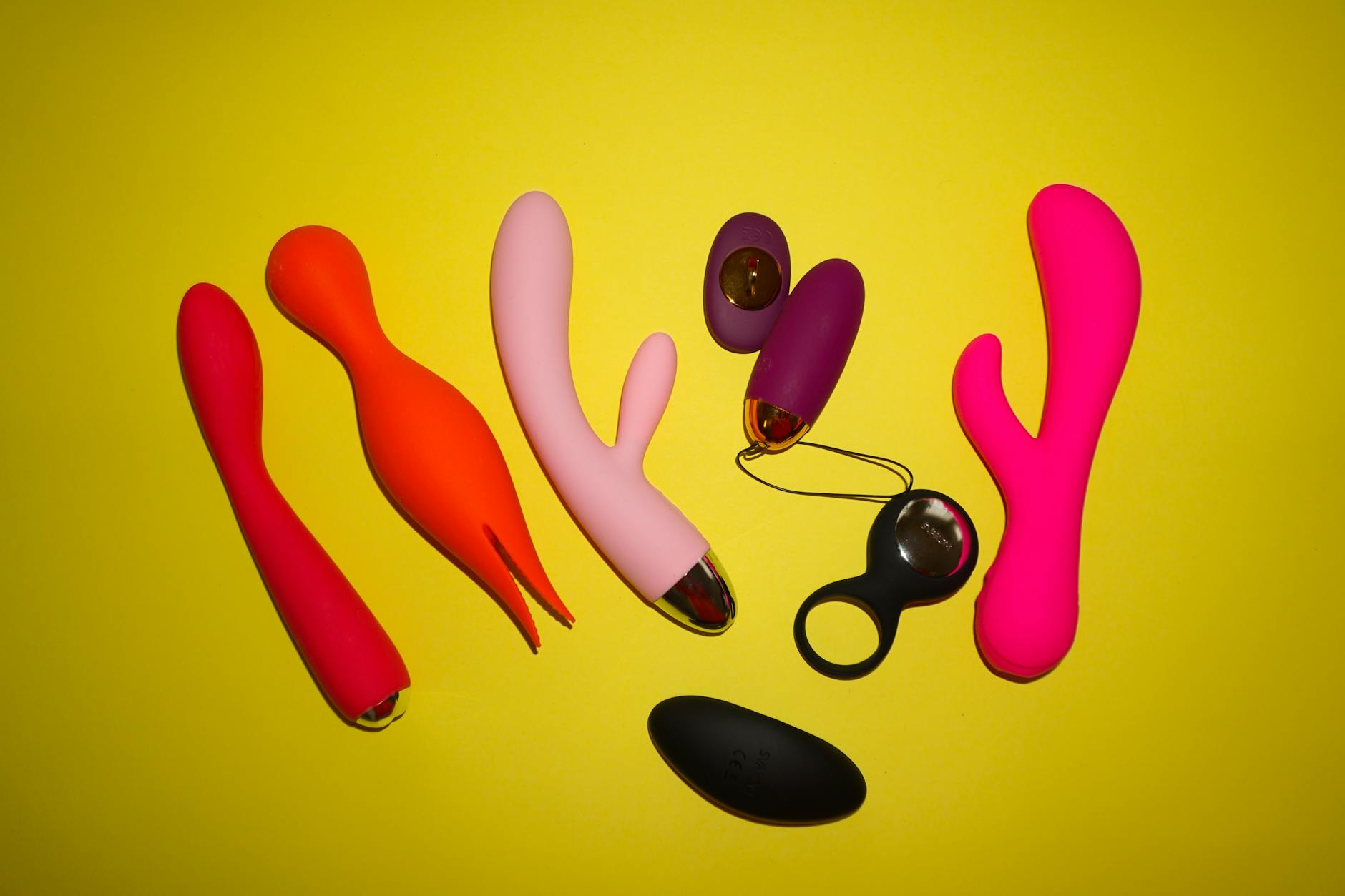
What pelvic floor PT actually does (and what it doesn't)
Let's be real. Pelvic floor physical therapy is intense work. You spend weeks learning to relax muscles you didn't know were clenched, strengthen ones you couldn't isolate, and repattern breathing around touch that felt invasive at first. By the end, your pelvic floor is genuinely stronger, more coordinated, and less reactive. That's all real progress.
But here's what nobody tells you: healing your pelvic floor doesn't automatically restart pleasure. The muscles work better. The pain might be gone. And yet something feels different, flatter, or like you're starting from scratch.
That's not a setback. That's exactly where lemon clitoral vibrators come in.
Why pleasure feels different after pelvic floor work
Three things happen during PT that change how your body responds to stimulation.
First, you've spent weeks focusing intensely on internal sensation. Your therapist has mapped out tension patterns, shown you where you're gripping, helped you feel the difference between relaxed and engaged. That's valuable work. But it also retrains your nervous system to pay attention to subtle, internal cues. External stimulation can feel oddly disconnected at first, like you've trained your attention inward and need to retrain it outward.
Second, your pelvic floor is now stronger and more consciously controlled. That's good. But it also means you have to relearn how arousal builds with this new body. The involuntary clench that used to happen automatically at a certain point of excitement? Now you can feel it and choose it. That's powerful, but it requires intentional practice.
Third, many people are coming out of PT either pain-free for the first time in years, or moving from chronic pain into managed sensation. That shift in safety changes everything about how you approach pleasure. You might be cautious. You might be hesitant. You might be grieving how it used to feel before the pain started.
Why lemon vibrators suit this specific moment
Here's what makes lemon sexual toys different from traditional vibrators for post-PT recovery.
Clitoral suction vibrators like the Lem don't rely on direct percussion or friction. Instead, they use gentle rhythmic suction that stimulates the clitoral nerve network without the intensity that can feel triggering or retraumatizing for a recently healed pelvic floor. The sensation is less about pressure and more about sustained, rhythmic stimulation. That matters because you're not reintroducing your body to pleasure through force. You're inviting it back through gentleness.
The other advantage is control. With the Lem vibrator, you can start on the lowest settings and work up slowly. There's no suddenly hitting an intensity that feels too much. You're in charge of the pace of pleasure, which is psychologically important after weeks of having a physical therapist guide your internal experience. That agency matters.
A lemon clitoral vibrator also doesn't require the kind of internal engagement that penetration or internal vibrators might. You can explore external pleasure first, rebuild sensation gradually, and move at your own rhythm. For anyone rebuilding confidence after pelvic floor issues, that's huge.
The first month back: what to expect
Don't expect instant fireworks. Pleasure after pelvic floor PT is like rediscovering a familiar place after years away. You know the map intellectually, but your body needs time to remember.
Start with your lemon vibrator at the lowest setting. Spend 15 to 20 minutes just noticing what you feel. Not trying to come. Not chasing sensation. Just observing. Your pelvic floor has been through something significant. Your nervous system needs permission to believe it's safe to relax into pleasure again.
You might notice your newly healed pelvic floor wants to engage protectively. That's normal. Pause, breathe, actively relax the muscles for a few seconds, then continue. This is practice. You're teaching your body that pleasure and pelvic floor strength can coexist, not compete.
After a few sessions, you'll probably start to feel sensation returning more clearly. Clitoral suction works well for this because it creates consistent, rhythmic input that your nervous system can track and respond to. Unlike traditional vibrators that might overstimulate sensitive tissue, the Lem suction vibrator offers graduated intensity that lets you build arousal without shock.
Managing sensitivity and pelvic floor response
If you spent months in PT managing pelvic tension or pain, your nervous system might still be in protective mode. That's not a flaw. It's just the current state.
If you feel pelvic tension creeping in while using your lemon vibrator, pause immediately. Don't push through. Instead, try this: take your hand off the device, place it low on your belly, and breathe deeply for 30 seconds. Feel the pelvic floor soften. Then resume at a lower intensity or with more time between sessions.
Your pelvic floor doesn't need to be clenched during pleasure. In fact, the goal is the opposite. A healthy pleasure response includes the ability to relax the pelvic floor fully while also being able to gently engage it at the moment of orgasm. Using a lemon suction vibrator gives you room to practice that distinction.
If you have a partner, let them know what you're working on. "I'm relearning how my body responds to pleasure" is a complete sentence. You don't owe anyone an explanation beyond that. If they're patient and curious, they might enjoy exploring this with you. If they're not, that's information too.
Rebuilding sensation with intentional practice
Many people report that after pelvic floor PT, sensation feels muted or distant. That usually improves with consistent, low-pressure exposure.
Using your lemon clitoral vibrator 2 to 3 times per week, for 20 to 30 minutes, helps recalibrate your nervous system to external pleasure. The rhythm and consistency matter. Your body learns to recognize the sensation as safe and pleasurable, which gradually rebuilds the arousal response.
Try pairing use with a ritual. Light a candle. Put your phone in another room. Play music you find sensual, not necessarily sexual. The ritual isn't mystical. It's practical. You're creating a container that says to your nervous system: this time, this space, is for pleasure and healing.
Some people find that using a lemon vibrator while focusing on breath deepens the experience significantly. As you feel sensation building, breathe into the sensations rather than away from them. Long inhales, slow exhales. This keeps your nervous system regulated and helps pleasure build steadily instead of spiking and frightening your system.
When to check back with your PT
If pain returns during pleasure, or if you're not feeling sensation returning within a few weeks of gentle use, mention it at your next checkup. Your physical therapist might recommend slightly different pelvic floor engagement or might clear you to increase intensity.
You're not starting over. You're not broken. You're integrating pleasure back into a body that's been healing. That's different work, and it's worth doing carefully.
The long view
Pelvic floor physical therapy and pleasure aren't opposing forces. They're sequential chapters. PT heals and strengthens. Lemon vibrators help you rediscover what that strong, healthy pelvic floor can actually do in the context of pleasure.
Your body didn't forget. It's just learning to trust again. That takes time and the right tools. A lemon clitoral vibrator, used thoughtfully, bridges that gap.
People also ask
Can I use a vibrator while still doing pelvic floor physical therapy?
Check with your PT first, but generally yes, once you're past acute pain or tension phase. Most therapists actually recommend very gentle external stimulation as part of home practice, because it helps integrate the work you're doing in sessions. A lemon suction vibrator on its lowest setting is often perfect for this because it doesn't trigger protective tension the way aggressive vibration might.
How long does it take for sensation to return after pelvic floor PT?
Varies widely, but most people notice significant shifts within 3 to 6 weeks of consistent, gentle practice. Some notice changes within days. The key is consistency, not intensity. Using your lemon vibrator twice a week is more effective than using it aggressively once a month.
Is it normal to feel pelvic floor tension during or after using a vibrator post-PT?
Completely normal, especially early on. Your pelvic floor has been trained to engage defensively for months. Pleasure is new input, and your system might tense in response. That's a sign to slow down, not that something is wrong. Pause, breathe, actively relax, and resume at lower intensity.
Will I ever feel the same pleasure response I had before pelvic floor issues started?
Often you'll feel something different, which isn't worse, just different. Many people report that once their pelvic floor is healthy and they've relearned pleasure, the experience is actually richer and more controlled than before. You understand your body better. You know how to relax it. That knowledge changes everything.
Can a partner use a lemon vibrator on me during recovery?
Yes, but first get comfortable with it solo. That lets you understand what feels good without the added complexity of someone else's presence and intentions. Once you know your body's response, partner exploration can deepen intimacy. Just communicate clearly about pace and pressure.
What if I had pelvic floor issues from trauma or vaginismus?
Gentleness matters even more. A lemon clitoral vibrator's non-invasive approach is often ideal because it lets you explore pleasure externally without internal pressure. Some people find that rediscovering pleasure this way actually accelerates healing because it decouples intimacy from pain. Work at your own pace. There's no timeline.