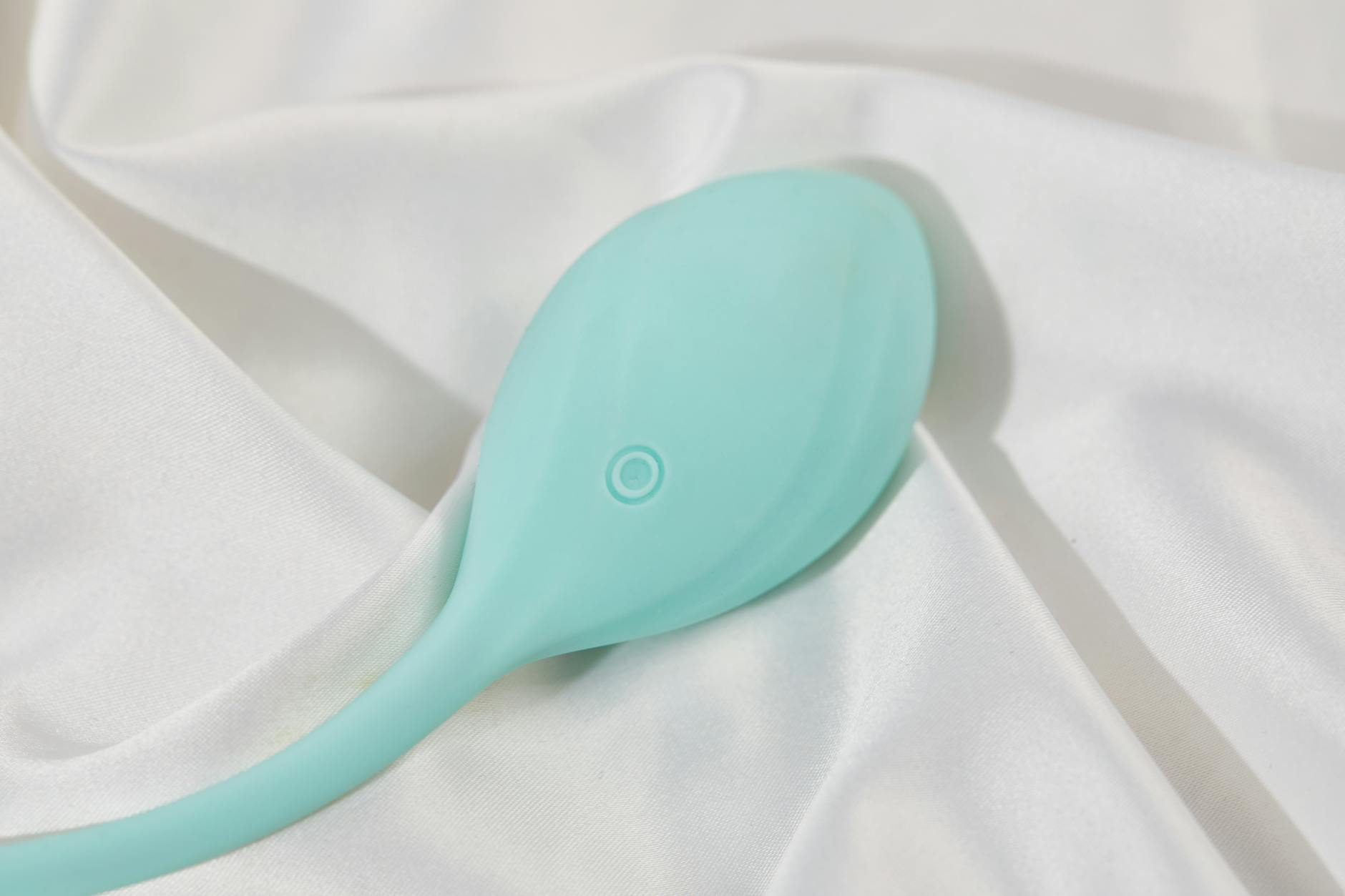
The most common side effect nobody talks about
Let's be real. You started your antidepressant because your mental health was tanking. It worked. Your anxiety leveled out, your depression lifted, and suddenly you could breathe again. And then at some point, usually a few weeks in, you noticed something else: arousal just stopped showing up the way it used to.
You're not broken. About 40 to 60 percent of people on SSRIs and SNRIs experience some form of sexual dysfunction, and dampened arousal is the most common flavor of that problem. It's not that your desire vanishes completely. It's that the chain reaction in your body that turns desire into physical readiness gets jammed somewhere in the middle.
Why antidepressants flat-line arousal
Here's the thing about serotonin: it's great at calming your nervous system down. That's literally what makes the antidepressant work. But serotonin also has a relationship with dopamine, which is the neurotransmitter that drives arousal and pleasure. When SSRIs and SNRIs flood your system with serotonin, dopamine often takes a step back. Think of it like your brain's priorities shifted, and now sexual response is not even on the list.
On top of that, some antidepressants trigger a kind of blunting effect on sensations overall. You feel less, both emotionally and physically. That numbness in your fingertips? Same system as the numbness between your legs.
For some people, the issue is purely physiological. For others, it's a combination: the drug itself plus anxiety about whether arousal will happen, which then creates a feedback loop where performance anxiety makes arousal even harder to access.
What doesn't work (and why you've probably tried it)
Talking to your brain about it doesn't fix it. Switching positions doesn't fix it. A new partner doesn't fix it. More foreplay sometimes helps, but often the arousal signal just never gets strong enough to amplify, no matter what you do.
What also doesn't work for most people: waiting it out. Some bodies adjust after a few months. Many don't. After six months or a year on the med, if arousal still hasn't returned, it's probably not coming back on its own.
The conversation to have with your prescriber
First, don't stop taking your antidepressant to test if arousal returns. That's both dangerous and unnecessary. Instead, talk to your doctor about three actual options:
Option one is dose adjustment. Sometimes dropping down one tier brings arousal back without sacrificing the mental health benefits. That's worth exploring.
Option two is timing. Some people take their dose right after sex instead of before it. That shifts the peak drug concentration away from when you're trying to be intimate. Your doctor can advise on whether that's safe for your specific medication.
Option three is switching to a different class entirely. Bupropion (Wellbutrin) and certain tricyclic antidepressants have less impact on sexual function. Not zero impact, but less. Your prescriber can discuss whether a switch makes sense for your situation.
But here's what I tell my clients in therapy: while you're working with your doctor on those options, there's another piece you can control right now. Your body's ability to respond to stimulation.
Why lemon vibrators change the game
Clitoral suction devices like the Lem work by a completely different mechanism than traditional vibrators. They use gentle air pulse patterns to stimulate the clitoris, and because they're not relying on direct friction, they create arousal through a pathway that antidepressants haven't necessarily blocked.
Think of it this way: if your antidepressant has dimmed the light switch on arousal, a lemon sucker doesn't try to brighten the light. Instead, it activates a separate system altogether. The stimulation pattern that suction creates bypasses some of the dopamine-dependent pathways that the medication has already suppressed.
My clients who've tried this report that clitoral suction feels qualitatively different. It builds arousal faster, and it builds it through sensation rather than through the anticipation and mental engagement that traditional vibration requires. For someone whose brain chemistry has flatlined sexual response, that directness matters.
Another advantage: the sensation is intense enough that it can break through the numbness that some antidepressants create. You feel more because the stimulus itself is stronger, not because your nervous system suddenly woke up.
How to use this approach without shame
This is not a workaround. This is not settling. This is using your body's actual architecture to access pleasure that your medication temporarily relocated. Using a lemon clitoral vibrator while you're on an antidepressant is as reasonable as using a heating pad for period cramps. It's a tool that matches the problem.
Here's how I guide people through it:
Start alone. Not because partner sex is shameful, but because you need to know what works for your body in a low-pressure environment. Spend a few sessions exploring, no goal of orgasm required. Just sensation.
When you do want to bring it into partnered sex, be direct about what's happening. "I'm having side effects from my antidepressant, and I want to explore this together." A partner worth keeping will be relieved to have a solution rather than resentment.
Don't use it as an every-time requirement. Build it in strategically. Some people use suction to get their body warmed up, then switch to other kinds of touch. Others use it as the main event. Both approaches work.
Budget 15 to 25 minutes. Arousal that's dampened by medication takes longer to build. Rushing defeats the purpose.
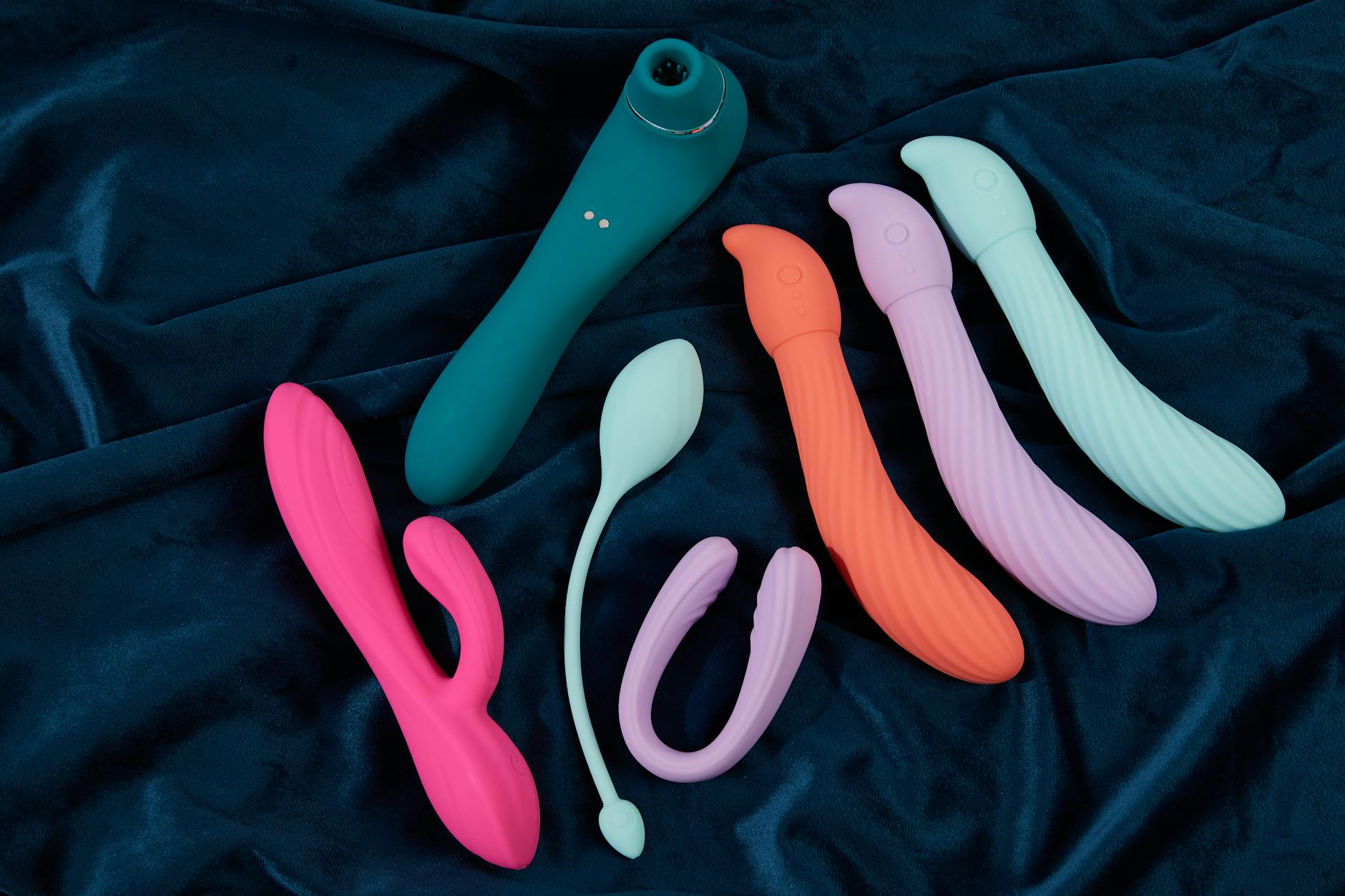
Photo by IFONNX Toys on Pexels
The evidence that supports this
There's not a lot of clinical research specifically on clitoral suction devices and antidepressant side effects. But there is solid research on how different stimulation patterns activate different neural pathways, and there's clinical consensus that air-pulse technology creates arousal patterns that are distinctly separate from vibration.
What I see in my practice is consistent: people on antidepressants who try clitoral suction report arousal returning faster than people who stick with traditional vibrators or who rely on medication changes alone. That's not published data, but it's the pattern I watch across dozens of clients, and it aligns with the neuroscience.
The mechanism makes sense. Different stimulus, different pathway. If your medication has compromised one route to arousal, another route may be wide open.
When to revisit the medication conversation
Using a lemon vibrator is not meant to replace talking to your doctor. It's meant to work alongside that conversation.
If you've been on your antidepressant for six months or more and arousal still hasn't budged, raise it again. Bring this tool into the conversation: "I'm using a clitoral suction device and it's helping, but I want to explore whether a dose change or medication switch makes sense." Your prescriber may have new information or may be more willing to experiment now that you've done the groundwork.
If your arousal does return after a medication adjustment, great. Keep the lemon vibrator anyway. It's good to have in your toolkit.
If you try this approach and nothing shifts after a few weeks of consistent exploration, that's information too. It tells you and your doctor that the medication impact might be heavier than a behavioral shift can overcome, and a medical conversation becomes more urgent.
The part about pleasure that matters most
Here's what I want you to know that most resources won't say directly: your antidepressant saved your life. Your mental health matters more than your orgasms. Full stop.
But that doesn't mean you have to accept a flat sexual life as the price. You deserve both. Mental stability and physical pleasure are not mutually exclusive. They require some problem-solving, some conversation, and sometimes a tool that works with your body instead of against it.
A lemon sucker is exactly that tool. It's not magic. It's just a different way of asking your nervous system a question it can actually answer right now.
People also ask
How long does it take for antidepressant sexual side effects to show up?
Most people notice changes within the first two to six weeks of starting the medication. Some report it happening within days. Others don't experience arousal dampening until weeks in. If you haven't noticed a shift by six weeks, you might be in the minority who doesn't experience this side effect. If you have, that's when to start the medication conversation.
Can you use a lemon clitoral vibrator while on any antidepressant?
Yes. There's no interaction between the device and the medication. The tool works the same way regardless of which SSRI or SNRI you're on. That said, the degree to which it helps depends on how severely your particular antidepressant has dampened arousal, and that varies widely from person to person.
What if clitoral suction doesn't help either?
It's not a guaranteed fix. Some people's arousal response is suppressed so heavily that even intense stimulus doesn't break through. If you try a lemon vibrator consistently for a few weeks and feel nothing, that's a sign that a medication conversation with your prescriber is urgent. A dose change or switch might be necessary.
Is it normal to feel nothing at all when you first try clitoral suction?
Absolutely. If your arousal has been flatlined, your body might need a few sessions to remember how to respond. Give it three to five explorations before you decide it's not working. Patience matters here.
Can you combine antidepressants with libido-boosting medications?
Sometimes. Bupropion is sometimes prescribed alongside SSRIs specifically because it helps with arousal. Sildenafil (Viagra) can help with some arousal issues too. These are conversations to have with your doctor, not something to self-medicate.
Will my arousal come back if I switch antidepressants?
Maybe. Some people find that switching to bupropion or a tricyclic resolves arousal problems. Others find that any psychiatric medication dampens their response, and they have to choose between mental health support and sexual function. That's a real, painful choice some people face. The goal is to find a medication that protects your mental health and minimizes sexual side effects. That takes trial and sometimes patience.
What comes next
If you're experiencing arousal difficulties on an antidepressant, start here: have the conversation with your prescriber. Share specifically what's happening ("arousal takes forever and rarely gets where it used to" is more useful than "my sex drive is gone"). Ask about your three options: dose adjustment, timing, or switching.
While you're in that conversation, explore a tool designed for dampened arousal. A lemon clitoral vibrator isn't a replacement for medical care. It's a bridge. It's your body getting a question it can answer, in the language it currently speaks.
Your mental health and your pleasure both matter. You don't have to choose between them. You just have to be willing to have the awkward conversation and try something different.